Paul Chek · Video summary
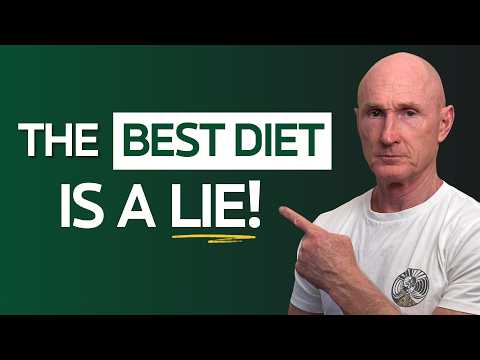
The Most Dangerous Lie in Modern Nutrition
A flexitarian approach, guided by internal cues and individual needs, is superior to rigid dietary dogmas like paleo or veganism for optimal health.
 Watch on YouTube ↗
Key takeaways
- 🎯The concept of a single 'best diet' is a dangerous lie; individuals have unique genetic and environmental needs that dictate optimal nutrition.00:49
- 💡Dietary approaches like paleo or vegetarianism can be abused or misinterpreted, leading to negative health outcomes if not adapted to individual needs.03:06
- 📚Many popular diets and studies are misunderstood or misapplied, leading to confusion and dogmatic adherence rather than true health.09:08
- 🔍Individual dietary needs are influenced by genetics, stressors (physical, emotional, mental), and environmental factors like food availability and toxicity.11:54
- 🚀Connecting with your inner voice or soul, and utilizing biological feedback systems like muscle testing, is a more effective method for fine-tuning diet than relying solely on external dogma.13:01
- 🔧Prioritize listening to your body's internal cues and use muscle testing or intuition to guide your dietary choices, rather than adhering strictly to dogmatic diets.13:05
Chapters
- 0:00🎯 Introduction to Common Diet Questions
- 0:26🍽️ Overview of Dietary Approaches and Resources
- 1:58🔥 The Paleo Diet and Its Misinterpretations
- 4:05🐄 Ethics and Practicality of Eating Animals
- 7:14📚 Various Studies on Diet and Health
- 9:40🥩 Personal Experience with Vegetarian and Macrobiotic Diets
- 14:59🔄 Changing Dietary Practices Based on Inner Guidance
- 17:27🎯 Metabolic Typing and Its Impact
- 25:11🌱 The Flexitarian Approach and Whole-Person Focus
- 25:31🌍 Environmental and Ethical Considerations
- 25:54💡 Final Thoughts and Recommendations
The digest
High Level Overview
This presentation challenges the quest for a single “best diet” by arguing that dietary needs are deeply individual and influenced by genetics, lifestyle, environment, and spiritual factors. Drawing on over 30 years of clinical experience and extensive research, the speaker critiques rigid diet dogmas—including paleo, vegetarianism, veganism, and macrobiotic diets—and advocates for a flexible, intuitive approach to nutrition that prioritizes quality food, self-awareness, and balance. This analysis is essential for anyone seeking sustainable health improvements amid the confusion created by conflicting dietary movements and misinformation.
Keep reading in The Digest
The full 6-minute article, 11 more sections, and every new episode from Paul Chek and the creators you follow.
- Understanding Popular Diet Movements and Their Limitations
- Personal Journey and the Role of Intuition in Diet
- Metabolic Typing: A Key Framework for Individualized Nutrition
- Genetic and Environmental Factors in Dietary Needs
- The Danger of Dogma and Religious Ideology Around Nutrition
- Key Frameworks and Mental Models Presented
- 1. Flexitarian Diet Philosophy
- 2. Metabolic Typing (Bill Walcott’s System)
- 3. Intuitive/Somatic Feedback Loop
- Practical Implications & Takeaways
- Action-Oriented Summary
More from Paul Chek

The Well-Rounded Woman | Natasha Kingsbury
Natasha Kingsbury, artist, rancher, farmer, mother, and wife to Kyle Kingsbury, shares her journey of overcoming childhood trauma, finding her spiritual path, and embracing a well-rounded life.

Forget Little Green Men: Consider the Sentient Theory of UFOs/UAPs | Michael Jawer
Paul Chek and Michael Jawer discuss the nature of emotions, the subconscious, and the phenomenon of UFOs, exploring how these concepts intertwine with human consciousness and our understanding of reality.

The Take on Evil That Made My Guest Get Death Threats
In this podcast episode, Paul Chek interviews a guest who shares his transformative journey from a troubled childhood marked by dyslexia and adversity to becoming a successful educator and speaker, emphasizing the profound impact of inspirational figures like Paul Bragg on his life. The conversation explores themes of self-discovery, resilience, and the interconnectedness of human experiences.

Shadow, Ego, and What Real Healing Looks Like
In this video, Paul Chek explores shadow work as a vital process for inner healing, emphasizing that the shadow is not a defect to be eliminated but a necessary aspect of the psyche that fosters spiritual growth and self-realization. He provides insights on effectively engaging with the shadow to enhance personal development and collective consciousness.

The Truth About Spiritual Awakening No One Talks About
In this video, Paul Chek discusses the symptoms of rising consciousness and the importance of becoming aware of our choices, emphasizing how societal structures and corporate interests contribute to our unconsciousness and health crises. He encourages reflection and mindful living to foster genuine spiritual awakening and personal growth.

272 Emotions and You Probably Only Know 28 of Them | D. Earl Johnston
In this episode, Paul Chek interviews D. Earl Johnston, author of Choosing Emotions, who discusses the importance of understanding a wide range of emotions—beyond the commonly recognized few—to improve self-awareness and communication. He emphasizes that emotions are not sporadic but continuously influence our actions and decisions, serving as an operating system for navigating life.