The Daily · Podcast summary
The Good, the Bad and the Good-Bad (Movie)
Maya Salam, Rachel Abrams, Gilbert Cruz, and Taffy Brodesser-Akner discuss the concept of "good-bad" movies, exploring what makes these films beloved despite their flaws, and debate their personal favorites.
 Listen on the show ↗
Key takeaways
- 🎬Good-bad movies are defined by their over-the-top, absurd elements and high rewatchability, even if they aren't considered 'great cinema.'00:50
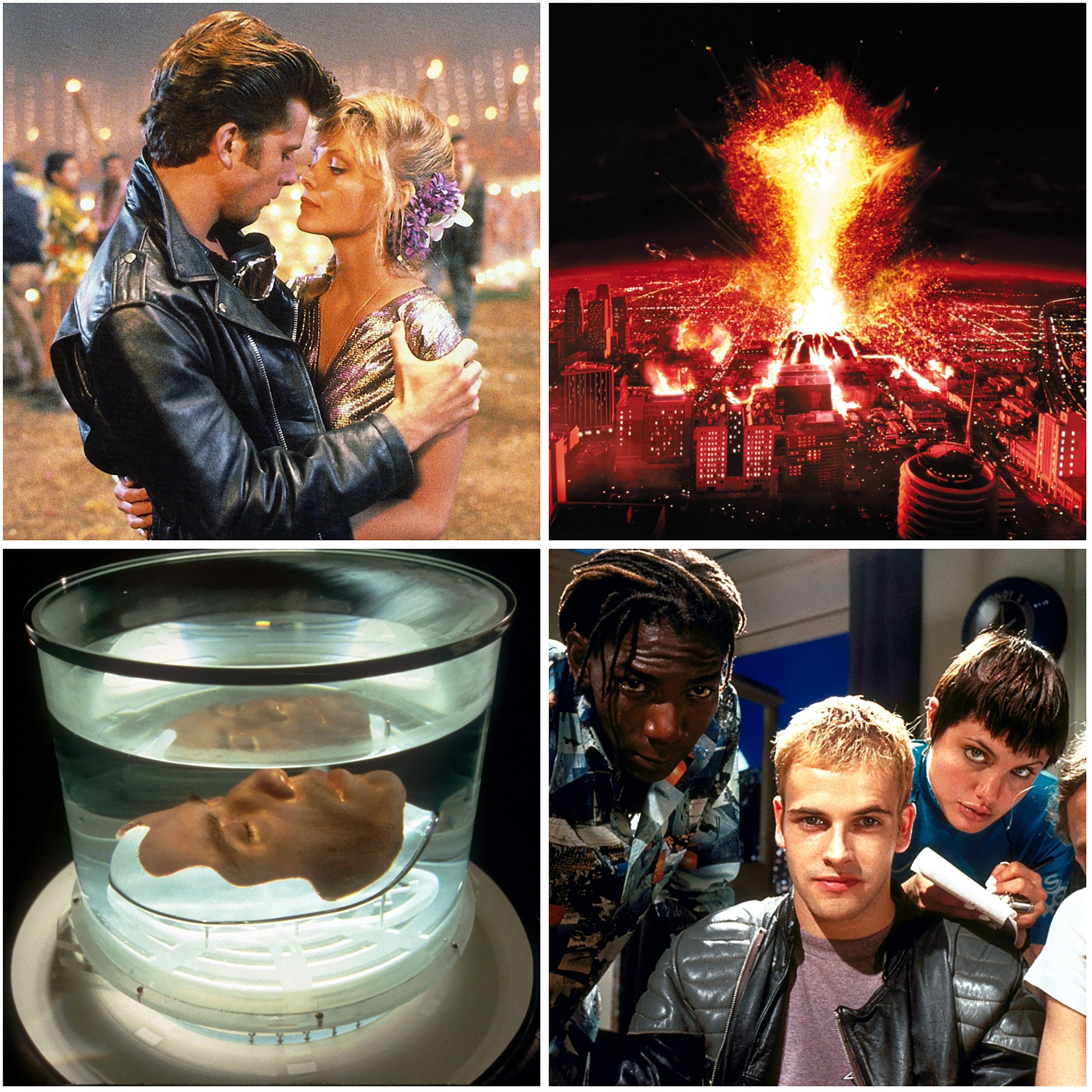
- 🌋The 1997 disaster film 'Volcano' is a prime example of a good-bad movie, featuring main characters who remain inexplicably calm amidst widespread chaos and destruction.00:54
- 🗣️Good-bad movies often gain universal name recognition and remain culturally relevant, even if they were box office flops or critically panned, because people still want to discuss them.01:03
- 🤦A key 'bad' element in 'Volcano' is its cringeworthy attempt to tie the volcanic eruption to racial tensions in 1990s Los Angeles, including a scene where a child realizes he's 'colorblind.'01:19
- 💬The appeal of good-bad movies lies in the 'low-stakes debates' they spark, allowing for playful banter and discussion about films that don't 'really matter all that much' but are enjoyable.01:25
- 🕰️Nostalgia plays a significant role in the affection for good-bad movies, as they often remind viewers of specific periods or cherished memories from their past.01:51
Chapters
- 0:31Introduction to Good-Bad Movies
- 0:44Defining a Good-Bad Movie
- 0:54Volcano: An Example of Good-Bad
- 1:12The "Bad" in Good-Bad Movies
- 1:27The Cultural Significance of Good-Bad Movies
- 1:47The Appeal of Low-Stakes Debates
- 2:21Taffy Brodesser-Akner's View on Movie Quality
- 2:29Gilbert Cruz's Perspective on Good-Bad
- 3:36Maya Salam's Good-Bad Pick: Grease 2
- 4:33Gilbert Cruz's Good-Bad Pick: Hackers
- 5:37Taffy Brodesser-Akner's Good-Bad Pick: Face/Off
- 6:27Concluding Thoughts and Audience Engagement
The digest
In a fascinating discussion on The Daily, Maya Salam, Rachel Abrams, Gilbert Cruz, and Taffy Brodesser-Akner dive into the intriguing world of "good-bad" movies. These are films that, despite their obvious flaws, hold a special place in the hearts of viewers, often due to their sheer watchability, nostalgic value, or simply their over-the-top absurdity. The conversation explores the criteria for what constitutes a good-bad movie, offers examples, and delves into why these films resonate so deeply with audiences.
Defining the "Good-Bad" Movie
Maya Salam, who has been writing a column about good-bad movies for The Times, kicks off the discussion by attempting to define this peculiar genre. She emphasizes that there are "no wrong answers" when it comes to identifying a good-bad movie, as everyone has their own rubric. For Maya, a good-bad movie has "at least one element, but usually more, that are completely over the top, are completely absurd." Crucially, these films must be "highly watchable, highly rewatchable." While they may not be "great cinema," they are "infectious," "beloved," and often evoke strong feelings and memories.
Rachel Abrams highlights the subjective nature of what is considered "good" in film, noting that the debate over what makes a movie good is "as old as time." She points out that while critically acclaimed films receive a lot of attention, there's also a "rich middle" of movies that, regardless of their box office success or critical reception, have managed to remain relevant and hold a special place in pop culture. These are the films that people still want to talk about, even if they're not considered cinematic masterpieces.
Keep reading in The Digest
The full 4-minute article, 4 more sections, and every new episode from The Daily and the creators you follow.
- "Volcano" as a Case Study
- The Role of Nostalgia and Shared Experience
- The Low-Stakes Debate
- The Enduring Appeal of Good-Bad Movies
More from The Daily

Chris Rock Has Been Thinking About Forgiveness
Chris Rock discusses his new film Misty Green, reflections on Hollywood, comedy, forgiveness, and personal growth.

The Best TV Shows of the 21st Century
Natalie Kittrowa hosts a lively discussion with TV critics Gilbert Cruz and James Poniewozik about the New York Times' list of the 100 best TV shows of the 21st century, exploring the evolution of television storytelling, genre blending, and cultural impact.

Sylvester Stallone Hid His Struggles for Decades. Now He’s Coming Clean.
Sylvester Stallone opens up about his turbulent childhood, struggles with body image, and the emotional battles behind his iconic film career.

The Trump Administration Defangs the Endangered Species Act
Guest Catrin Einhorn explains how the Trump administration is rolling back environmental protections, particularly focusing on the Endangered Species Act and its implications for conservation.

Aaron Sorkin Still Believes in American Institutions, Even If No One Else Does
Aaron Sorkin discusses his latest film, "The Social Reckoning," and his enduring belief in American institutions, despite the current climate of distrust.

The Techno-Religion at the Center of the A.I. Debate
In this episode, Cade Metz explains the origins of the current debate around AI safety, tracing it back to a powerful subculture of rationalists and effective altruists who believe in the power of technology to solve humanity's problems, even as they fear its potential to destroy us.