Mike Benz · Video summary
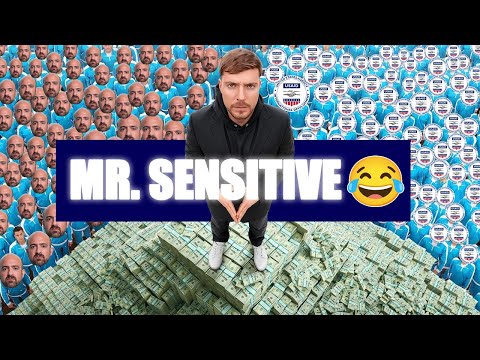
Should Change His Name To Mr. Sensitive
Mike Benz exposes possible links between Mr. Beast, the Rockefeller Foundation, and covert influence operations, urging critical thinking about big tech and philanthropic partnerships.

 Watch on YouTube ↗
Key takeaways
- 🚀Question influencer partnerships with powerful institutions that have known covert histories.00:54
- 🎯Partnerships between influencers like Mr. Beast and powerful institutions may serve covert influence agendas.01:02
- 💡Historical ties of the Rockefeller Foundation to the CIA suggest ongoing influence in public funding of research and media.01:42
- 📝Critically evaluate content promoted by major figures like Mr. Beast for hidden agendas tied to financial or political interests.02:05
- 📈Control of online advertising revenue through censorship and blacklists shapes public narratives and limits diverse viewpoints.08:10
- 🔍Organizations like NewsGuard are funded by entities with military and intelligence ties, influencing what content gets promoted or suppressed.09:50
Chapters
- 0:00🎬 Introduction and Context
- 0:44💼 Background on Rockefeller Foundation and Mr. Beast
- 1:34🕵️♂️ Historical CIA Involvement and Foundations
- 2:06🌐 Influence and Sponsorship of Mainstream Platforms
- 5:08🤝 Mr. Beast and Content for Influence
- 5:22🚀 Promotion of SpaceX and Elon Musk
- 6:24🧬 Fake Meat and US Aid Connections
- 7:53🔍 NewsGuard and Control of Online Narratives
- 11:01💰 Ad Tech, Blacklists, and Influence Operations
- 13:44🎯 Financial Interests and Global Disinformation
- 16:42🗣️ Jimmy’s Response to Allegations
- 20:08🤔 Implications and Conclusions
The digest
This analysis examines the recent partnership between Mr. Beast, the largest YouTuber by subscriber count, and the Rockefeller Foundation, a historically influential institution with long-standing ties to U.S. government agencies including the CIA and State Department. The discussion sheds light on the broader implications of such alliances in the context of media influence, online censorship, and covert political power. This is especially relevant for media analysts, digital content creators, and observers of information ecosystems who seek to understand how soft power and financial interests intersect with popular influencers and digital platforms.
The Core Premise: Mr. Beast Partners with a Controversial Institution
At the center of the discussion is Mr. Beast’s recent collaboration with the Rockefeller Foundation, announced publicly with Rajiv Shah—head of the Foundation and former U.S. Agency for International Development (USAID) director under Obama. The partnership aims to inspire youth and improve lives globally, with projects allegedly helping children in Africa and beyond.
However, the Rockefeller Foundation’s historical entanglements raise critical questions. Since the 1940s and documented explicitly in CIA memos from the 1950s, the Foundation has collaborated with U.S. intelligence to fund university research that served psychological warfare objectives. Today, it remains a prominent funder of the Atlantic Council—an institution described as a key player in the "censorship industrial complex" due to its extensive ties to intelligence, military, and state agencies worldwide.
Keep reading in The Digest
The full 5-minute article, 8 more sections, and every new episode from Mike Benz and the creators you follow.
- Historical Context: Rockefeller Foundation and CIA Entanglements
- The Atlantic Council and the Censorship Industrial Complex
- NewsGuard and Corporate Media Censorship
- Mr. Beast’s Role and the Commercial Logic Behind Influencer Partnerships
- Complex Realities and Broader Concerns
- Key Framework: Media Control Through Funding and Algorithmic Influence
- Practical Implications & Takeaways
- Action-Oriented Summary
More from Mike Benz

Brazil's 1st Election After USAID
Brazil's recent election was an "earthquake," reflecting years of public rage at the ballot box. This outcome is linked to the closure of USAID and its controversial activities in Latin America.

USAID & The Rap Game (Part 2)
The CIA used rap music to topple the government of Senegal in 2012, funding a youth movement that led to violent riots and the ousting of the president. This operation was part of a broader strategy of using cultural diplomacy to achieve geopolitical objectives.

USAID & The Rap Game (Part 1)
This video explores the intricate relationship between the music industry and government intelligence agencies, revealing how soft power and cultural diplomacy are leveraged to influence global narratives and achieve strategic objectives.

Crazy New State Dept Censorship Files
Mike Benz exposes the State Department's Global Engagement Center (GEC) and its alleged involvement in domestic censorship and the manipulation of public discourse, particularly concerning "gendered disinformation."

USAID and Internews: A CIA Love Story
In this video, Mike Benz explores the controversial connections between Internews, a media nonprofit, and the CIA, revealing how it has been funded by U.S. government agencies to influence media narratives globally, particularly during regime changes and conflicts. Benz argues that Internews operates as a significant player in the censorship industrial complex, promoting U.S. geopolitical interests under the guise of independent journalism.

The Business Side of the Censorship Industry (Part 2)
In Part 2 of "The Business Side of the Censorship Industry," Mike Benz explores the economics of the counter disinformation industry, detailing its evolution from a niche market to a multi-billion dollar sector driven by corporate interests and government partnerships, while highlighting the roles of key players like NewsGuard and the Global Disinformation Index.