MIT OpenCourseWare · Video summary
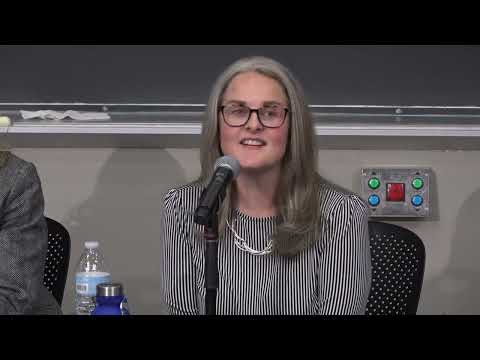
Session 3, Part 2: Organizational and People Issues
Focus on people issues as they often sink ventures more than technology or funding. Build a strong company culture from day one by defining values and hiring intentionally.

 Watch on YouTube ↗
Key takeaways
- 🤝For co-founders or early teams, role clarity and pre-defined norms of behavior are essential to navigate potential conflicts arising from friendships or mixed professional/personal relationships.
- 🎯People issues, not technology or funding, are the most common reason ventures fail.00:18
- 💡Company culture is built intentionally from the start through co-founder alignment on values and operational norms, not just by evolving organically.10:51
- 📈The hiring process itself is a critical element in shaping company culture; how people are vetted and treated reflects the organization's values.13:11
- 🔍High achievement and human kindness are not mutually exclusive; organizations can maintain very high standards while treating people with respect, even in difficult times.15:09
- 🚀Define your company's core values and mission statement early on and use them as a tool to motivate and attract talent.16:11
Chapters
- 0:09🎯 Introduction to People Issues in Ventures
- 0:41🤝 Introduction of Panelists and Moderator
- 4:44🎤 Panelists Share Their Backgrounds
- 7:22💡 Vivian Vitale's Approach to People and HR
- 10:04❓ Audience Question: When to Bring in HR?
- 10:48🌱 Building Culture from the Start
- 13:02⚖️ Hiring and Establishing Routines
- 15:09⭐ Balancing High Achievement with Human Kindness
- 16:01💬 Maintaining Culture Through Mission and Values
- 20:54👥 Personal vs. Professional Relationships in Small Teams
- 25:08👑 Founder vs. Co-founder Titles and Early Hires
- 31:55🚀 Startup Disruption and Competition
- 33:52🏦 Acquisition Strategies and Talent Retention
- 37:16🎭 Founder's Personal Style and Team Complementarity
- 42:41👩💻 Balancing Traits for Female Founders
- 43:57📜 Implementing Processes and SOPs
- 46:23🗣️ Managing Conflict Between Technical and Business Co-founders
- 49:14💡 Addressing a Co-founder's Demotivating Behavior
- 53:16🏢 Avoiding Bureaucracy in Growing Companies
- 58:44🚗 Founder's Challenge: Letting Go of Control
- 1:01:08🧑💻 Hiring Talent When Team Members Fear Being Outshone
- 1:03:53⚖️ Navigating Office Politics and Founder Authority
- 1:06:13🤖 Leveraging AI and Resources for Growth
- 1:10:00🤝 Hiring for Culture Fit vs. Technical Skill
- 1:13:37⏳ Can People Change? Life Experiences and Behavior
- 1:16:49📈 When to Acquire HR Expertise
- 1:17:30🌟 Defining and Implementing Company Culture
- 1:23:01👔 CEO's Role in Setting Culture and Tone
- 1:24:30✅ Concluding Remarks and Key Takeaways
The digest
This session, featuring a panel of experienced professionals, delves into the critical organizational and people-related challenges faced by founders and early-stage companies. It emphasizes that while technology and funding are important, people issues are frequently the root cause of venture failure. The discussion aims to provide practical insights for entrepreneurs on hiring, building culture, managing relationships, and scaling their organizations effectively.
The Paramount Importance of People in Venture Success
The session opens by underscoring a fundamental truth in entrepreneurship: people issues are often the primary reason new ventures fail, more so than technology or funding challenges. This highlights the necessity of a strong focus on organizational development and human capital from the outset. The discussion is framed by the collective experience of the panelists, who bring diverse perspectives from large corporations, startups, and board roles.
Keep reading in The Digest
The full 8-minute article, 9 more sections, and every new episode from MIT OpenCourseWare and the creators you follow.
- Panelist Introductions and Expertise
- Building and Maintaining Company Culture
- Managing Relationships and Roles
- Hiring and Employee Evaluation
- Navigating Conflict and Communication
- Processes, Structure, and Bureaucracy
- Key Frameworks, Models, or Mental Maps
- Practical Implications & Takeaways
- Action-Oriented Summary
More from MIT OpenCourseWare

Session 4, Part 1: Presenting Your Venture
In this session from MIT OpenCourseWare, Bob Jones discusses the importance of effectively presenting your venture to various audiences, such as investors and customers, emphasizing that a successful pitch must address the audience's needs and clearly convey the value of the business. The session aims to improve participants' presentation skills and provide practical techniques for effective communication in entrepreneurship.
Session 3, Part 1: Legal Issues
Understand intellectual property (IP) protection, including patents, trademarks, and copyrights, and learn about legal entity structures and founder equity to protect your venture.

Session 4, Part 2: Negotiation Skills
Master negotiation skills by focusing on understanding interests, not just positions, to build relationships and solve problems collaboratively for startup success.

Session 1, Part 1: Introduction: Most Startups Fail; How to Improve Your Odds
Startups have a low success rate (10%), but planning and experience are key to improving odds. Focus on creating and capturing value, and consider the "three whys": why this idea, why now, and why this team.

Session 6, Part 1: Why Do You Want to Be an Entrepreneur?
In this session from MIT OpenCourseWare, Bob Jones discusses the personal motivations behind becoming an entrepreneur, emphasizing the importance of understanding one's own reasons and experiences in the entrepreneurial journey, while also gathering feedback from participants on the course's value and content.

Session 6, Part 2: Common Startup Mistakes
Avoid common startup pitfalls by focusing on defensible IP, customer feedback, strategic decisions, and building a diverse, collaborative team.