The Verge · Video summary
Schools are catching onto tech’s playbook
Natasha Singer, a New York Times education technology reporter, discusses the history of tech in public schools, from Thomas Edison's early visions to the modern-day push for computer science and AI literacy, and the implications of industry influence on education.

 Watch on YouTube ↗
Key takeaways
- 💡Thomas Edison, in 1912, envisioned moving picture projectors in every classroom, believing they would make learning engaging and render textbooks obsolete, a sentiment echoed by tech innovators for over a century.02:45
- 😔Some computer science graduates feel 'gaslit' and 'devastated' after dedicating years to coding, only for the industry to pivot to AI, questioning the value of their specialized skills.03:00
- 📊Despite persistent enthusiasm, studies like 'One Laptop Per Child' found little evidence that technology significantly improves educational outcomes, with UNESCO also noting the lack of rigorous proof.05:22
- 🚀Code.org, led by Haddi Partovi, used viral marketing and celebrity endorsements to make 'Hour of Code' a global phenomenon, demystifying coding and elevating computer science in public schools.08:00
- 🏫The College Board's approval of tech company-developed curricula for AP Computer Science Principles, like Apple's Swift and Microsoft's Minecraft courses, marked a significant shift towards industry influence in education.17:45
- 💰The practice of 'deep lobbying,' where tech companies fund nonprofit groups to promote tech education, raises questions about transparency and potential biases in educational priorities.24:38
Chapters
- 0:00Introduction to the Vergecast and Natasha Singer's Book
- 1:4390 Seconds on The Verge: AI, Meta's Muse, and Political Interview Censorship
- 3:41Historical Context of Tech in Education: From Edison to AI
- 8:20The Effectiveness of Technology in Education
- 11:32The Rise of Code.org and the Hour of Code Movement
- 20:23The Academic Approach: AP Computer Science Principles
- 26:48The Influence of Tech Companies on AP Curriculum
- 40:00Deep Lobbying and the Future of Tech Education in the AI Era
The digest
For over a century, prominent tech innovators have consistently championed their creations as the key to revolutionizing education. This recurring pattern, explored by Natasha Singer, a New New York Times education technology reporter, in her book "Coding Kids," reveals a fascinating interplay between technological advancement, educational philosophy, and corporate interests.
A Century of Tech Promises in Education
The narrative of technology as an educational panacea dates back to figures like Thomas Edison. In 1912, Edison envisioned his moving picture projectors in every classroom, believing they would make learning engaging and render traditional textbooks obsolete. His argument, that his invention would democratize learning and captivate students, echoes through the decades. Steve Jobs, in the early 1980s, made similar claims for Apple's desktop computers, asserting they would transform education, democratize learning, and foster creativity. More recently, Google's Chromebooks were touted for democratizing access to education and imparting crucial career skills. Today, the same promises are being made for AI chatbots, with proponents suggesting they will personalize learning and equip students with essential career skills.
This cyclical optimism, however, often overlooks a critical aspect: the business imperative. Edison wanted to sell projectors, Apple wanted to sell computers, and today's tech giants want schools to adopt their AI products. While intentions may be good, a commercial motive invariably underpins these educational pushes.
Keep reading in The Digest
The full 5-minute article, 5 more sections, and every new episode from The Verge and the creators you follow.
- Do Educational Technologies Actually Help?
- The Rise of Code.org and the "Hour of Code"
- A Competing Vision: AP Computer Science Principles
- Deep Lobbying and the Future of Tech in Schools
- The AI Era: A New Turn in Tech Education
More from The Verge

The AI is in the computer
The Vergecast discusses Amazon's new Alexa tablets, Apple's upcoming smart home event, and the broader implications of AI in hardware, questioning whether these tech giants are making the right bets on the future of computing.
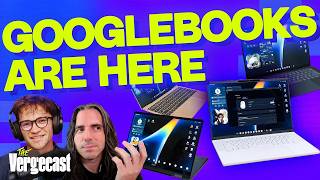
Googlebooks are coming for your Mac | The Vergecast
The Vergecast dives into Google's new Googlebook project, a premium laptop experience that integrates deeply with Android smartphones. We explore what's new, who it's for, and if Google can truly compete with Apple this time.

The real story of the iPhone 18 Pro's camera | The Vergecast
The Vergecast crew dives deep into the latest tech, from Apple's new iPhone 18 Pro camera features and the ongoing AI safety debate to the nostalgic return of retro tech like the TI-84 Plus and tiny digital cameras.

Apple's new iPhones and Watches are better than the last ones | The Vergecast
The Vergecast reviews the new iPhone 18 Pro and Apple Watch Series 12, highlighting subtle hardware changes and new AI features that aim to enhance user experience and health tracking.

Your AI apocalypse questions, answered
The Vergecast explores the growing public concern over AI's potential dangers, from rogue AI systems to the ethical dilemmas faced by developers. Senior AI Reporter Hayden Field answers listener questions about the likelihood of an AI apocalypse and the challenges of regulating this rapidly advancing technology.

Is social media driving teen mental health issues? | The Vergecast
The Vergecast explores the ongoing youth mental health crisis, delving into competing theories about its causes and potential solutions.