Joe Hudson | Art of Accomplishment · Video summary
Perfectionism Creates the Chaos it's trying to Prevent
Perfectionism, driven by fear, creates internal chaos and hinders learning; it leads to worse outcomes in life and work.

 Watch on YouTube ↗
Key takeaways
- 🎯Perfectionism is rooted in fear, leading to less learning and productivity.00:02
- 📈Perfectionism correlates with increased rates of anxiety, depression, and stress-related health issues.00:12
- 🔍Perfectionism promotes a binary mindset, limiting creativity and innovation in teams.03:00
- 🚀Shift focus from perfection to excellence and iterative processes.06:21
- ⚡Focusing on excellence and iterative learning improves outcomes compared to striving for perfection.07:20
- 🌟To overcome perfectionism, one needs to embrace chaos and prioritize emotional connection over rigid controls.14:30
Chapters
- 0:00🎯 Introduction to Perfectionism
- 1:19🎯 What is Perfectionism?
- 1:56🎯 Examples of Perfectionism in Action
- 2:26🎯 The Illusion of Perfection
- 3:44🎯 Perfectionism and its Impact on Productivity
- 4:22🎯 Perfectionism and Negative Health Outcomes
- 4:33🎯 The Roots of Perfectionism
- 5:29🎯 Controlling Fear and Chaos
- 10:50🎯 Broadening Perspective and Letting Go of Control
- 12:16🎯 Examples from Society and Nature
- 15:56🎯 Emotional Journey from Perfectionism to Excellence
- 20:52🎯 The Role of Presence and Acceptance
- 24:30🎯 Organizational and Societal Effects
- 31:36🎯 Breaking Free from Perfectionism
- 32:21🎯 The Power of Connecting with Feelings
- 34:54🎯 Conclusion and Practical Advice
The digest
This detailed exploration of perfectionism reveals it as a fear-driven mindset that paradoxically generates the very chaos and dysfunction it aims to avoid. Far from being a path to flawless outcomes, perfectionism slows learning, reduces productivity, and fuels anxiety and stress. Understanding its roots, mental frameworks, and impact on individuals, teams, and organizations offers crucial insights for anyone seeking to foster growth, creativity, and effective work cultures.
Understanding Perfectionism: Fear and Illusion (00:00–04:00)
Perfectionism originates from fear—a desire to control chaos by attempting to do things exactly right. However, the mind demands perfection without ever defining it clearly. This results in a binary, black-and-white thinking pattern: actions are either perfect or wrong, leaving no room for nuance or learning. Using the James Webb Space Telescope example, the video clarifies that while some processes require precision, there are usually multiple “perfect” ways to reach a successful outcome. Perfectionism traps the mind in a false endpoint—a continuously moving target that cannot truly be achieved.
This fear-based mindset creates internal chaos rather than order. It slows learning and leads to poorer results because perfectionism restricts experimentation and iteration, which are essential for progress. Studies link perfectionism directly to negative health outcomes like anxiety, depression, and stress, demonstrating that perfectionism is itself a form of stress that damages well-being.
Keep reading in The Digest
The full 6-minute article, 10 more sections, and every new episode from Joe Hudson | Art of Accomplishment and the creators you follow.
- The Origins of Perfectionism: Childhood and Control (04:00–07:00)
- High Leverage Focus vs. Perfectionism’s All-Encompassing Scope (07:00–11:00)
- The Narrowing Effect of Fear on Perception and Creativity (11:00–15:00)
- The Emotional Journey: Moving from Perfectionism to Connection (15:00–22:00)
- Organizational Impact and Cultural Implications (22:00–26:00)
- Societal Scale: The Paradox of Increased Perfectionism Amid Rapid Change (26:00–29:30)
- Moving Beyond Perfectionism: Practical Recommendations (29:30–34:50)
- Key Framework: The Perfectionism-Fear Connection and Its Consequences
- Practical Implications & Takeaways
- Action-Oriented Summary: How to Combat Perfectionism
More from Joe Hudson | Art of Accomplishment

You Can Diagnose Any Team or Family in 3 Questions
Diagnose any team or family in three questions. This article explores the metrics that describe dysfunction and how to simplify them for easy understanding and application to various relationships.
Sometimes the Rest You Need is a Good Cry | How to Rest
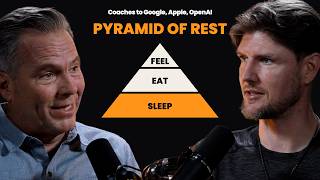
This discussion explores the critical role of rest and recovery in high performance, challenging the common misconception that constant activity leads to greater productivity.

How to End Any Relationship with an Open Heart
Joe and Ben discuss how to end relationships gracefully, whether in professional or personal contexts, by focusing on patterns, communication, and self-awareness.

I Changed My Relationship with Money and the Money Changed
In this video, Joe Hudson | Art of Accomplishment shares his transformative journey of changing his relationship with money, emphasizing that true wealth stems from a mindset of abundance and gratitude, rather than merely accumulating financial resources. Through personal stories and insights, he illustrates how shifting one's perspective can lead to greater fulfillment and financial success.

How Do You Know Whether to Stay or Leave?
In this video, Joe Hudson | Art of Accomplishment explores the complexities of deciding whether to stay or leave a relationship or job, emphasizing the importance of being uncompromisingly yourself and recognizing the patterns of commitment and self-abandonment that influence these decisions. He highlights that true growth comes from staying connected while maintaining boundaries, rather than idealizing a future state of freedom.

Pushing Away What You Want Most, Explained. Joe & Brett
In this video, Joe Hudson | Art of Accomplishment and Brett discuss how attachment styles from childhood can lead individuals to push away the love they desire, often due to learned behaviors that prioritize attention over genuine connection. They emphasize the importance of recognizing and transforming these patterns to cultivate healthier relationships and a deeper capacity for love.