Neville Goddard · Video summary
Neville Goddard - How To Climb The Ladder
Neville Goddard explains raising awareness internally through deliberate assumption, inner emotion, and trust, transforming outer reality without effort.
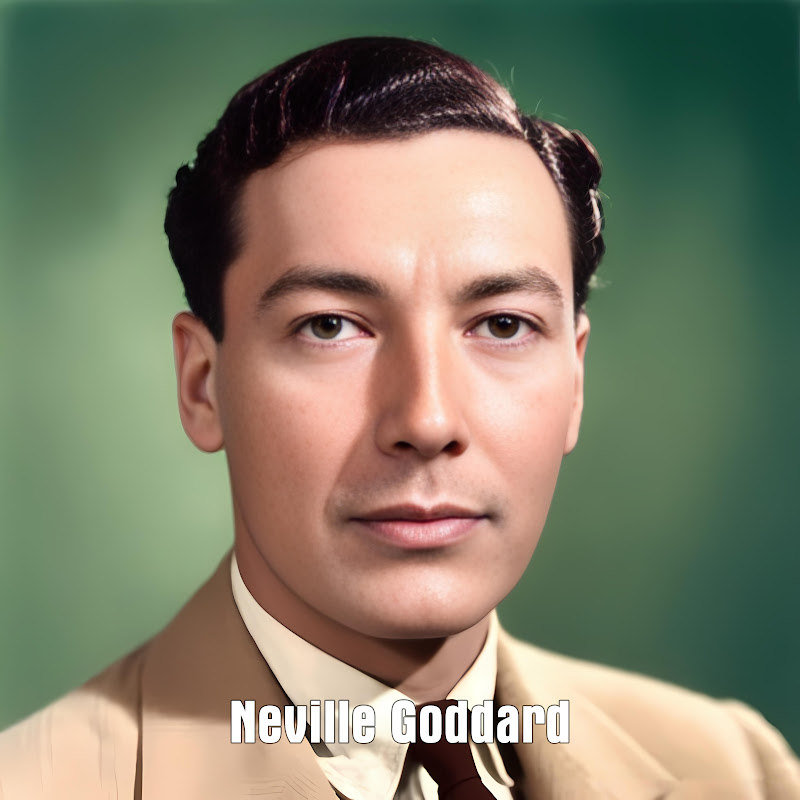
 Watch on YouTube ↗
Key takeaways
- 🎯Climbing life’s ladder happens first in imagination as an internal state, not external effort.00:10
- 💡The ladder is a principle of consciousness, ascended by feeling acceptance of higher states, not physical steps.01:01
- ⚡Observe your inner state and loosen resistance to align with your desired reality.01:51
- 📈Agreement with a state—feeling natural and true—precedes manifestation.02:09
- 🔍Change occurs by incremental inner acceptance, climbing rung by rung, not leaping.03:07
- 🚀Practicing imagination nightly training belief creates physical reality shifts effortlessly.03:14
Chapters
- 0:00🎯 Introduction to the Law of Climbing and Inner Focus
- 1:32🎯 Climbing as an Internal Process
- 1:42🎯 Witnessing and Moving Awareness Upward
- 2:06🎯 The Role of Agreement and Natural Progression
- 3:07🎯 Training Subconscious Through Imagination
- 6:25🎯 Persistence and Gradual Growth
- 6:32🎯 Inner Shift and Personal Transformation
- 10:36🎯 Handling Challenges and Confirmations
- 15:03🎯 Living from Higher States in Daily Life
- 31:51🎯 Unity and Wholeness as the Highest State
- 33:12🎯 Relinquishing Effort and Embracing Stillness
- 34:31🎯 The Inner Identity and the I AM
- 34:56🎯 The Power of Assumption and the Present Moment
- 38:14🎯 Living from the Highest State in Practical Life
- 38:22🎯 Final Rest in the Highest State
- 38:41🎯 The Law of Stillness and Manifestation
- 39:22🎯 The Ground of Being and Recognizing the Inner Ladder
- 40:11🎯 Practice of Receptivity and Loyalty to Truth
The digest
High Level Overview
This teaching explores the spiritual principle of ascending through inner states of consciousness rather than through outward effort or force. Drawing on biblical imagery and psychological insight, it presents ascent as a gradual, deliberate process of internal agreement and belief that precedes external manifestation. Intended for those seeking personal transformation, self-mastery, or deeper spiritual alignment, the message reveals how true progress is achieved by moving awareness upward through realistic, incremental states—forming the foundation for lasting change.
Keep reading in The Digest
The full 7-minute article, 15 more sections, and every new episode from Neville Goddard and the creators you follow.
- Structured Deep Dive
- 1. Ascent Is an Inner Process, Not Physical Effort (0:00–1:40)
- 2. The Ladder as a Symbol of Progressive Acceptance (1:40–4:00)
- 3. Agreement and Acceptance Precede Manifestation (4:00–7:00)
- 4. The Role of Imagination and Feeling in Climbing (7:00–10:00)
- 5. Trusting Sequence and Honoring the Current Rung (10:00–14:00)
- 6. Responsibility, Consistency, and Integration Into Daily Life (14:00–18:00)
- 7. Effort Yields to Clarity and Rest (18:00–22:00)
- 8. Imagination as a Faithful Guide and the Economy of Belief (22:00–26:00)
- 9. Hardened Identity Softens; Presence Deepens (26:00–30:00)
- 10. The Highest State Is Present Recognition, Not Future Achievement (30:00–36:00)
- 11. Entering the Highest State Through Identity and Alignment (36:00–40:00)
- Key Frameworks, Models, or Mental Maps
- Practical Implications & Takeaways
- Action-Oriented Summary
More from Neville Goddard

Neville Goddard - How To Manifest Success Within A Month
Manifestation success within a month hinges on internal identity coherence, not external effort. Unify your self-image to allow external reality to rearrange.

Neville Goddard - Bring Before Your Minds Eye The fulfillment Of Your Dream
Shift your focus from vividly imagining future dreams to embodying the inner state of their fulfillment, allowing reality to reorganize around your accepted identity.

Neville Goddard - Use These Tips To Attract Your Dream Life
Attract your dream life by cultivating coherence between your identity and actions, rather than forceful 'attraction' methods.

Neville Goddard – Imagination Is Thinking - The Secret Power of Your Mind
Imagination is continuous thinking, not a tool. Aligning your daily thoughts with wholeness and truth rather than fear creates internal coherence, leading to reliable external manifestation.

Neville Goddard -The Power of the Subconscious Mind - Change Your Reality
Your subconscious mind shapes reality by embodying identity through consistent, calm repetition, not forceful effort or declarations.

Neville Goddard - The Successful Use Of The Law Of Assumption
Shift from effortful technique to effortless identity for successful manifestation. Assume who you are becoming, not just what you desire.