Brian Entin · Video summary
Nancy Guthrie case analyzed by ‘no body’ homicide prosecutor -- latest on the investigation
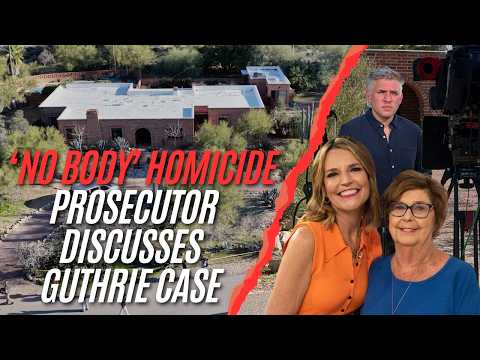
In this video, Brian Entin discusses the ongoing investigation into the disappearance of Nancy Guthrie, highlighting insights from a nobody homicide prosecutor about the challenges of prosecuting cases without a body. He emphasizes the importance of thorough searches and DNA analysis, as well as the potential implications for the case if Guthrie is never found.
 Watch on YouTube ↗
Key takeaways
- The investigation into Nancy Guthrie's disappearance has now reached 124 days, highlighting the urgency and complexity of the case.
- Prosecuting a nobody homicide case is challenging, but it is possible. The presence of a body provides critical information that can significantly aid in the prosecution.
- The reliance on multiple labs for DNA analysis, particularly for rootless hair, is causing delays in the investigation, emphasizing the need for specialized expertise.
- Sheriff Nanos mentioned the importance of thorough searches, stating that failing to conduct extensive searches could leave open possibilities for defense arguments in court.
- The lack of widespread searches for Nancy’s remains has raised concerns about the investigation's thoroughness, which could affect the prosecution's ability to prove she is deceased.
- Stay informed about the Nancy Guthrie case by following updates and discussions from credible news sources to understand the ongoing developments.
Chapters
- 0:00🔍 Introduction to Nancy Guthrie Case
- 0:25👮♂️ Interview with Sheriff Nanos
- 1:51🧬 Challenges of DNA Analysis
- 5:28🚨 Details of Recent Raids
- 12:16⚖️ Prosecution of Nobody Homicides
- 21:49🗣️ Importance of Searching
- 28:04📜 Role of Federal Prosecutors
- 32:01💰 Reward for Information
- 37:20🔧 New Investigation Tools
- 46:50🤝 United Cajun Navy Involvement
- 1:00:06⏳ Mobilizing Search Efforts
The digest
This report examines the ongoing investigation into the disappearance of Nancy Guthrie from Tucson, Arizona, focusing on the challenges and strategies of prosecuting a homicide case without a recovered body. Featuring insights from Tad Diabasi, a former federal prosecutor and expert on “no body” homicide cases, it explores how law enforcement and prosecutors navigate such complex cases, the importance of thorough search efforts, and the implications for legal proceedings. Additionally, it reviews recent developments in the investigation, including DNA analysis complexities and the dynamics between outside search volunteers and local authorities. This summary is essential for legal professionals, law enforcement personnel, and others interested in criminal investigations involving missing persons and no-body prosecutions.
High-Level Overview
Nancy Guthrie vanished from her Tucson home 124 days ago, with investigators facing the difficult scenario of potentially prosecuting a murder without locating a victim’s remains. Prosecuting such cases is complicated but feasible, requiring meticulous evidence gathering, coordination between police and prosecutors, and strategies to negate alternative explanations for disappearance. The investigation has involved complex DNA analysis from rootless hairs and surveillance footage of a visitor to the home. The local sheriff’s office has been cautious in evidence handling and has rejected volunteer search teams, prioritizing legally sound investigative procedures. This situation outlines the legal and investigative obstacles that arise when critical physical evidence like a body is missing and highlights the ongoing balance between methodical investigation and public pressure for resolution.
Keep reading in The Digest
The full 6-minute article, 13 more sections, and every new episode from Brian Entin and the creators you follow.
- Detailed Analysis of the Nancy Guthrie Investigation
- Timeline and Current Status
- Challenges of a “No Body” Homicide Case
- Importance of Thorough Search Efforts
- Coordination Between Police and Prosecutors
- DNA Analysis Complexities
- Unusual Nature of the Case
- Impact of Rewards and Witness Cooperation
- Volunteer Search Efforts and Law Enforcement Response
- Emotional and Community Impact
- Key Framework: Prosecuting a No-Body Murder Case
- Practical Implications & Takeaways
- Actionable Recommendations
More from Brian Entin
Lindsay Clancy holdout juror’s first interview — body language expert on whether he’s truthful
Michael Desonville, the holdout juror in the Lindsay Clancy trial, gives his first full interview, prompting a body language expert to weigh in on his truthfulness and the controversy surrounding his jury service.
Cop accused of murdering pregnant Sandra Birchmore — what does his twin brother know?
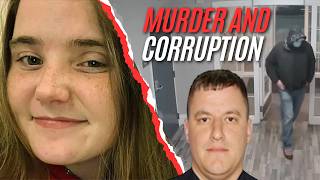
Brian Investigates delves into the disturbing case of Matthew Farwell, a former police officer accused of murdering pregnant Sandra Birchmore, uncovering a tangled web of alleged sexual assault, corruption, and a suspicious death initially ruled a suicide.
Cop accused of raping, killing pregnant Sandra Birchmore — horrific photos shown in court
The federal trial of former Stoughton police detective Matthew Farwell has begun, with prosecutors alleging he murdered Sandra Birchmore, a young woman he groomed from a young age, to prevent her from exposing their relationship and her pregnancy.

Christa Pike 911 calls reveal confusion after botched execution
Newly released 911 calls shed light on the confusion surrounding Christa Pike's botched execution, revealing the chaotic scene as officials and attorneys scrambled for emergency help.

Why won’t investigators give back Kaylee Goncalves’ phone? Ongoing Bryan Kohberger investigation?
Brian Anton Investigates delves into the ongoing legal complexities surrounding the Bryan Kohberger case, focusing on the family's struggle to retrieve victim Kaylee Goncalves' cell phone and the broader implications for victim privacy and the legal process.

Christa Pike up and walking — will she sue after the botched execution?
Christa Pike, the only woman on Tennessee's death row, survived a botched execution attempt. This article explores the medical and legal ramifications of her recovery, including the possibility of her suing the state and the ongoing debate surrounding lethal injection.