The Daily · Podcast summary
Lindsay Clancy Is on Trial. So Is Postpartum Psychosis.
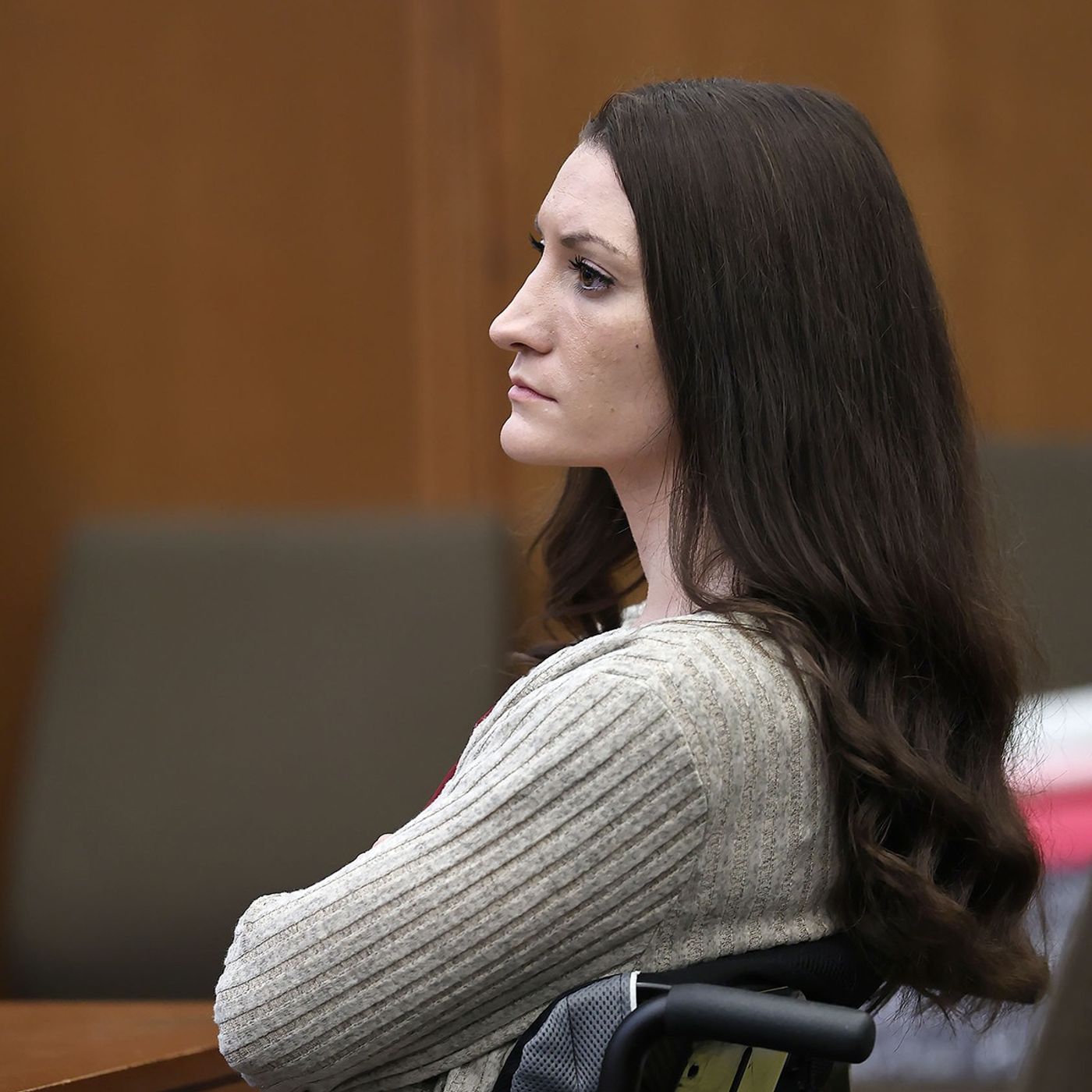
In this episode of The Daily, Natalie Kitroeff speaks with Ellen Barry about the trial of Lindsay Clancy, a mother accused of killing her three children, and how the case has brought postpartum psychosis into the national spotlight.
 Listen on the show ↗
Key takeaways
- 🏥Lindsay Clancy, a labor and delivery nurse, is accused of killing her three young children.325
- 🗣️Clancy's defense argues she was in a state of psychosis due to postpartum mental illness, hearing voices that commanded her actions.523
- ⚖️The prosecution contends Clancy was not psychotic but acted intentionally and rationally, planning the killings.846
- 💊Clancy was prescribed 13 different medications over four months, highlighting the struggle to find effective treatment for her worsening condition.1197
- fragmentedThe healthcare system failed Clancy by not providing coordinated care, with multiple providers lacking access to her full medical history.1355
- 🫂The trial has drawn significant public attention, particularly from women who identify with Clancy's struggles with postpartum mental health.1576
Chapters
- 0:38Introduction to the Lindsay Clancy Trial
- 5:14The Basic Facts of the Case
- 11:59The Prosecution's Argument: Intentionality and Control
- 25:21The Public's Response and Growing Support
- 29:15The Defense's Argument: Postpartum Psychosis and a Flawed System
- 48:24Implications of the Verdict
The digest
On Thursday afternoon, the fate of Lindsay Clancy, a mother accused of killing her three children, rests in the hands of a jury. The trial has captivated the country for weeks, not just because of the horrific nature of the crime, but because of the difficult questions it has raised about how we treat, or fail to treat, postpartum women in crisis.
Today, Natalie Kitroeff speaks with her colleague Ellen Barry, who has been inside the courtroom for every day of the trial, to understand the stakes of the outcome.
The Basic Facts of the Case
Ellen Barry explains that Lindsay Clancy is a labor and delivery nurse who lived in Duxbury, Massachusetts, with her husband and three children: Cora, Dawson, and Callan. About three or four months after the birth of her third child, Clancy began complaining of symptoms like insomnia, anxiety, and depression. She started taking an antidepressant, but over the next three months, despite a long series of prescriptions and seeing several mental health providers, her condition seemed to worsen. One night at the end of January 2023, she asked her husband to pick up takeout for dinner. While he was out, she strangled all three of her children, who were three, five, and eight months old. She then went upstairs and attempted to die by suicide. Clancy survived, though she is paralyzed, but her children did not. She was subsequently charged with three counts of first-degree murder.
Barry emphasizes the tragic nature of the crime, stating, "It's just so terrible. It's hard to imagine a more tragic thing than a mother killing her three children." She notes that the facts of the case are not in dispute because Clancy and her lawyers admit that she did this. However, Clancy has pleaded not guilty by reason of insanity, and her defense has consistently argued that she committed these actions in a state of psychosis because she heard a voice telling her to do it.
Keep reading in The Digest
The full 6-minute article, 5 more sections, and every new episode from The Daily and the creators you follow.
- The Prosecution's Argument: Calculated and Intentional
- The Defense's Argument: Postpartum Psychosis and a Failing System
- The Flaws in the Healthcare System
- Public Response and the Larger Conversation
- Implications of the Verdict
More from The Daily

Chris Rock Has Been Thinking About Forgiveness
Chris Rock discusses his new film Misty Green, reflections on Hollywood, comedy, forgiveness, and personal growth.

The Best TV Shows of the 21st Century
Natalie Kittrowa hosts a lively discussion with TV critics Gilbert Cruz and James Poniewozik about the New York Times' list of the 100 best TV shows of the 21st century, exploring the evolution of television storytelling, genre blending, and cultural impact.

Sylvester Stallone Hid His Struggles for Decades. Now He’s Coming Clean.
Sylvester Stallone opens up about his turbulent childhood, struggles with body image, and the emotional battles behind his iconic film career.

The Trump Administration Defangs the Endangered Species Act
Guest Catrin Einhorn explains how the Trump administration is rolling back environmental protections, particularly focusing on the Endangered Species Act and its implications for conservation.

Aaron Sorkin Still Believes in American Institutions, Even If No One Else Does
Aaron Sorkin discusses his latest film, "The Social Reckoning," and his enduring belief in American institutions, despite the current climate of distrust.

The Techno-Religion at the Center of the A.I. Debate
In this episode, Cade Metz explains the origins of the current debate around AI safety, tracing it back to a powerful subculture of rationalists and effective altruists who believe in the power of technology to solve humanity's problems, even as they fear its potential to destroy us.