Fresh Air · Podcast summary
How the government wastes our time
Journalist Annie Lowrey discusses her new book, "The Time Tax," which examines how bureaucratic hurdles and inefficient government systems disproportionately burden the poor, the sick, and the disabled.
 Listen on the show ↗
Key takeaways
- ⏰The "time tax" refers to the hours lost navigating government bureaucracy, including paperwork, phone calls, appointments, and waiting in lines, to access benefits or exercise rights.00:41
- ⚖️The time tax disproportionately affects vulnerable populations like the poor, the sick, and the disabled, who often have the least time and fewest resources to spare.01:03
- ✂️New work requirements and paperwork rules have already cut over 3.5 million Americans from food assistance, with numbers continuing to grow.01:15
- 📝The "improper payment rate" in SNAP, which can lead to states shouldering benefit costs, often stems from errors in paperwork or misunderstandings, not fraud.01:40
- 👧🏽Half of Black children in the U.S. will be subject to a Child Protective Services (CPS) investigation at some point in their childhood, often due to poverty rather than abuse.02:51
- 💰The most effective way to reduce CPS involvement and child abuse is to get families out of poverty by providing benefits like SNAP and a bigger earned income tax credit.03:37
Chapters
- 0:15Introduction to The Time Tax
- 0:21The Personal Impact of Bureaucracy
- 0:53Defining Administrative Burden and the Time Tax
- 1:00The IRS and Social Safety Nets: Case Studies
- 1:52The Impact of Work Requirements and the Threat to SNAP
- 2:51The Human Cost of Bureaucracy: Beyond Time
- 3:24Voting and the Time Tax
- 5:39Solutions: Making Government Work for Citizens
The digest
Journalist Annie Lowrey, a staff writer at The Atlantic, joined Fresh Air's Tonya Mosley to discuss her new book, "The Time Tax: How the Government Wastes Our Time and How to Fix It." Lowrey argues that the hours Americans spend navigating government bureaucracy – filling out forms, making phone calls, and waiting in lines – constitute a hidden tax that disproportionately affects the most vulnerable populations.
The Time Tax: An Unavoidable Fact of Life or a Deliberate Burden?
Tonya Mosley opened the conversation by highlighting the pervasive nature of waiting in modern life, from filling out government forms to waiting at the DMV or pharmacy. Annie Lowrey coined this phenomenon the "time tax," defining it as the hours lost to paperwork, phone calls, appointments, and lines when trying to obtain benefits or exercise guaranteed rights. Lowrey asserts that this isn't merely bureaucratic dysfunction; sometimes, making a system difficult is the deliberate point. She emphasizes that those most affected are often individuals with the least amount of time and fewest resources, such as the poor, the sick, and the disabled.
Lowrey shared a personal anecdote from her early career as a reporter in Washington D.C., where she encountered homeless veterans struggling to access their benefits. Despite the existence of the VA and an entire government department dedicated to veterans, these individuals couldn't navigate the system due to the overwhelming stresses of their daily lives, including homelessness, food insecurity, and psychiatric issues. This experience, she explained, was a pivotal moment in understanding how administrative burdens impact real people. She noted that once you start looking for these administrative burdens, you see them everywhere, from the DMV to the IRS.
Keep reading in The Digest
The full 7-minute article, 5 more sections, and every new episode from Fresh Air and the creators you follow.
- A Personal Journey Through Bureaucracy: Lowrey's Health Struggles
- The IRS and Social Safety Nets: Examples of the Time Tax in Action
- The Impact of New Work Requirements and the Threat to SNAP
- The Human Cost of Bureaucracy: Beyond the Time Tax
- The Path Forward: Making Government Work for Citizens
More from Fresh Air

Best Of: Kyle MacLachlan / Inside the ‘romance scam’
Kyle MacLachlan reflects on his career shaped by David Lynch, while Wired's Andy Greenberg exposes a human trafficking romance scam fueled by AI.

Kyle MacLachlan was David Lynch’s ‘submersible’ into dark places
Kyle MacLachlan reflects on his transformative collaboration with David Lynch, his journey through iconic roles, and the personal challenges behind the scenes.
Best Of: Rhiannon Giddens / Investigating Diddy’s Rise & Fall
Rhiannon Giddens explores Black string band traditions and her role in Beyoncé's country album; Cheyenne Roundtree investigates Sean Combs' complex legacy in music and scandal.
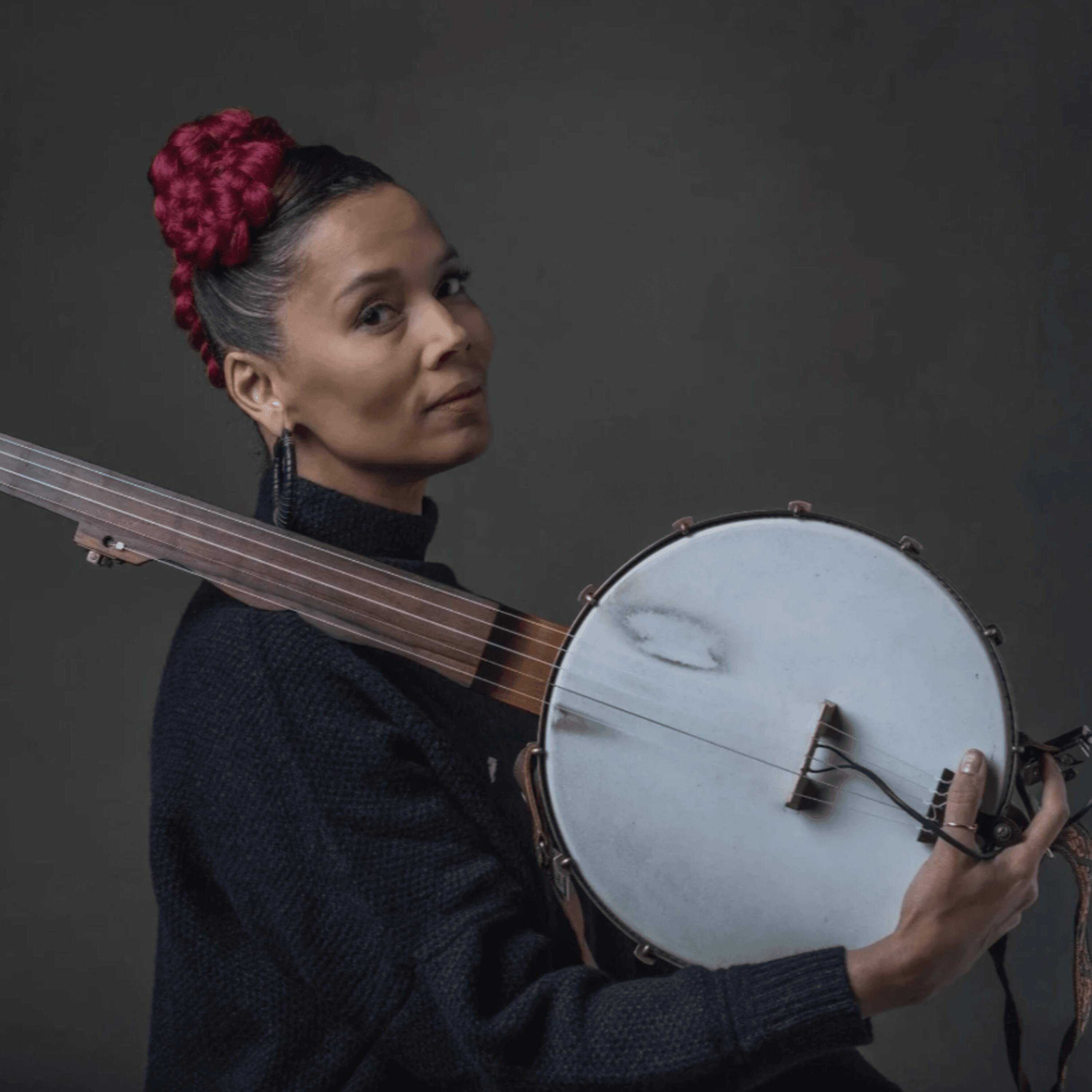
Rhiannon Giddens traces the banjo from her ancestors to Beyoncé
Rhiannon Giddens, the Grammy-winning musician and co-founder of the Carolina Chocolate Drops, discusses her new album "Hope is the Thing with Feathers," her role on Beyoncé's "Cowboy Carter," and the deep historical roots of the banjo, tracing its origins from African traditions to its presence in various American musical forms.
Best Of: Colin Kaepernick / Danielle Brooks
Colin Kaepernick discusses his memoir, "The Perilous Fight," and the reasons behind his kneeling protest. Danielle Brooks shares her experiences playing complex Black female characters and her journey through musical theater.
Looney Tunes animator Chuck Jones / Remembering singer Cassandra Wilson
Film critic Justin Chang reviews "Hope," a South Korean monster movie, and jazz critic Kevin Whitehead remembers singer Cassandra Wilson.