The Daily · Podcast summary
How Flock Cameras Took Over America
Kashmir Hill discusses Flock Safety, a company whose automatic license plate readers have rapidly expanded across the U.S., raising significant privacy concerns and sparking a growing backlash.
 Listen on the show ↗
Key takeaways
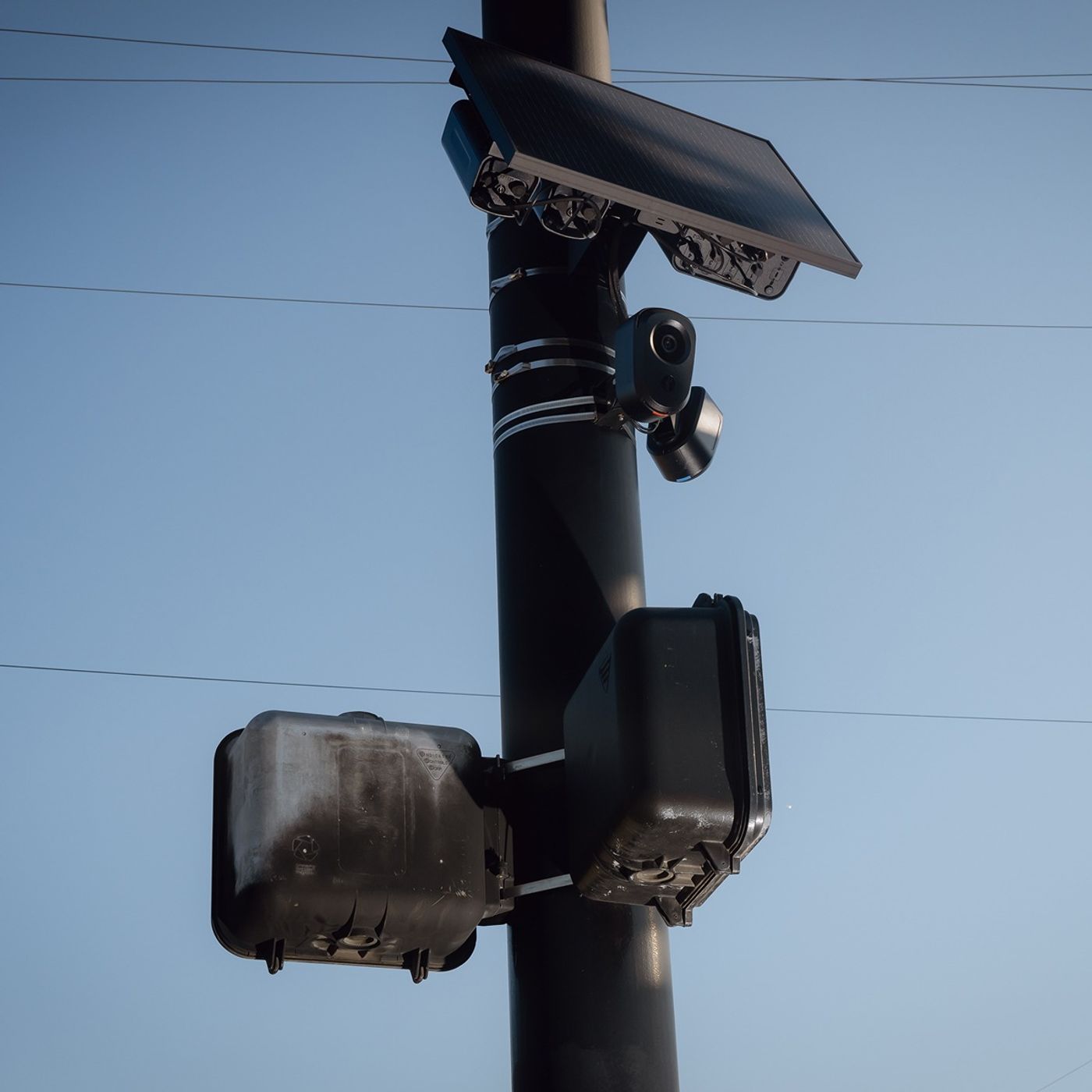
- 📸Flock cameras are automatic license plate readers that capture photos of cars and read their license plates, along with other visible characteristics.02:24
- 🔍The cameras not only read license plates but can also identify car color, make, bumper stickers, visible damage, and even toolboxes on the back, providing extensive data to police.03:42
- 💰Flock Safety is now valued at over $8 billion and has 120,000 cameras across the U.S., with contracts covering 40% of all law enforcement agencies.04:29
- 💡The company, Flock Safety, was founded by Garrett Langley after he experienced car break-ins in his neighborhood, leading him to develop a solution for tracking vehicles.04:40
- 📈Flock cameras were initially sold to homeowner associations for neighborhood watch, but their business model shifted to partnering with police departments in 2020, leading to rapid expansion.06:39
- 🌐Most police departments opt into Flock's national network, allowing them to search for vehicles across states and communities, creating a vast surveillance system.11:47
Chapters
- 0:16Introduction to Flock Cameras
- 0:26The Daily Podcast Introduction
- 3:53What are Flock Cameras?
- 7:20The Origin Story of Flock Safety
- 13:58How Flock Cameras Work
- 15:54The Legality and Networked Nature of Flock
- 26:52Backlash and Misuse of Flock Cameras
- 37:11The Fourth Amendment and Privacy Concerns
- 43:11Balancing Security and Privacy
- 47:01The Future of Surveillance
The digest
Flock Safety, a company that produces automatic license plate readers (ALPRs), has rapidly expanded its surveillance network across the United States. These cameras, often mounted on poles by roadsides, capture photos of cars, read their license plates, and can identify other characteristics like color, make, bumper stickers, or visible damage. While law enforcement agencies tout their effectiveness in solving crimes, the widespread deployment of Flock cameras has ignited a fierce debate about privacy, surveillance, and the role of technology in public safety.
The Rise of Flock Safety
Flock Safety was founded by Garrett Langley, a serial entrepreneur who, frustrated by car break-ins in his Atlanta neighborhood, sought a technological solution. Langley, along with two classmates from Georgia Tech, developed a simple, inexpensive ALPR by combining a phone with a solar panel, designed to be mounted on street poles. Initially, these cameras were sold to homeowner associations as a form of automated neighborhood watch, allowing residents to monitor who was coming and going. However, a pivotal shift occurred in 2020 when Flock began partnering with police departments, moving its cameras from private streets to public roads. This change dramatically accelerated the company's growth, with police chiefs and mayors recommending the technology to their peers. Flock Safety, now valued at over $8 billion, boasts 120,000 cameras across the country in every state but Alaska, and has contracts with 7,000 law enforcement agencies, representing about 40% of all law enforcement in the U.S.
Keep reading in The Digest
The full 4-minute article, 4 more sections, and every new episode from The Daily and the creators you follow.
- How Flock Cameras Work and What They Track
- The Networked Surveillance State
- Mounting Backlash and Misuse Concerns
- The Fourth Amendment and the Future of Surveillance
More from The Daily

Chris Rock Has Been Thinking About Forgiveness
Chris Rock discusses his new film Misty Green, reflections on Hollywood, comedy, forgiveness, and personal growth.

The Best TV Shows of the 21st Century
Natalie Kittrowa hosts a lively discussion with TV critics Gilbert Cruz and James Poniewozik about the New York Times' list of the 100 best TV shows of the 21st century, exploring the evolution of television storytelling, genre blending, and cultural impact.

Sylvester Stallone Hid His Struggles for Decades. Now He’s Coming Clean.
Sylvester Stallone opens up about his turbulent childhood, struggles with body image, and the emotional battles behind his iconic film career.

The Trump Administration Defangs the Endangered Species Act
Guest Catrin Einhorn explains how the Trump administration is rolling back environmental protections, particularly focusing on the Endangered Species Act and its implications for conservation.

Aaron Sorkin Still Believes in American Institutions, Even If No One Else Does
Aaron Sorkin discusses his latest film, "The Social Reckoning," and his enduring belief in American institutions, despite the current climate of distrust.

The Techno-Religion at the Center of the A.I. Debate
In this episode, Cade Metz explains the origins of the current debate around AI safety, tracing it back to a powerful subculture of rationalists and effective altruists who believe in the power of technology to solve humanity's problems, even as they fear its potential to destroy us.