Huberman Lab · Podcast summary
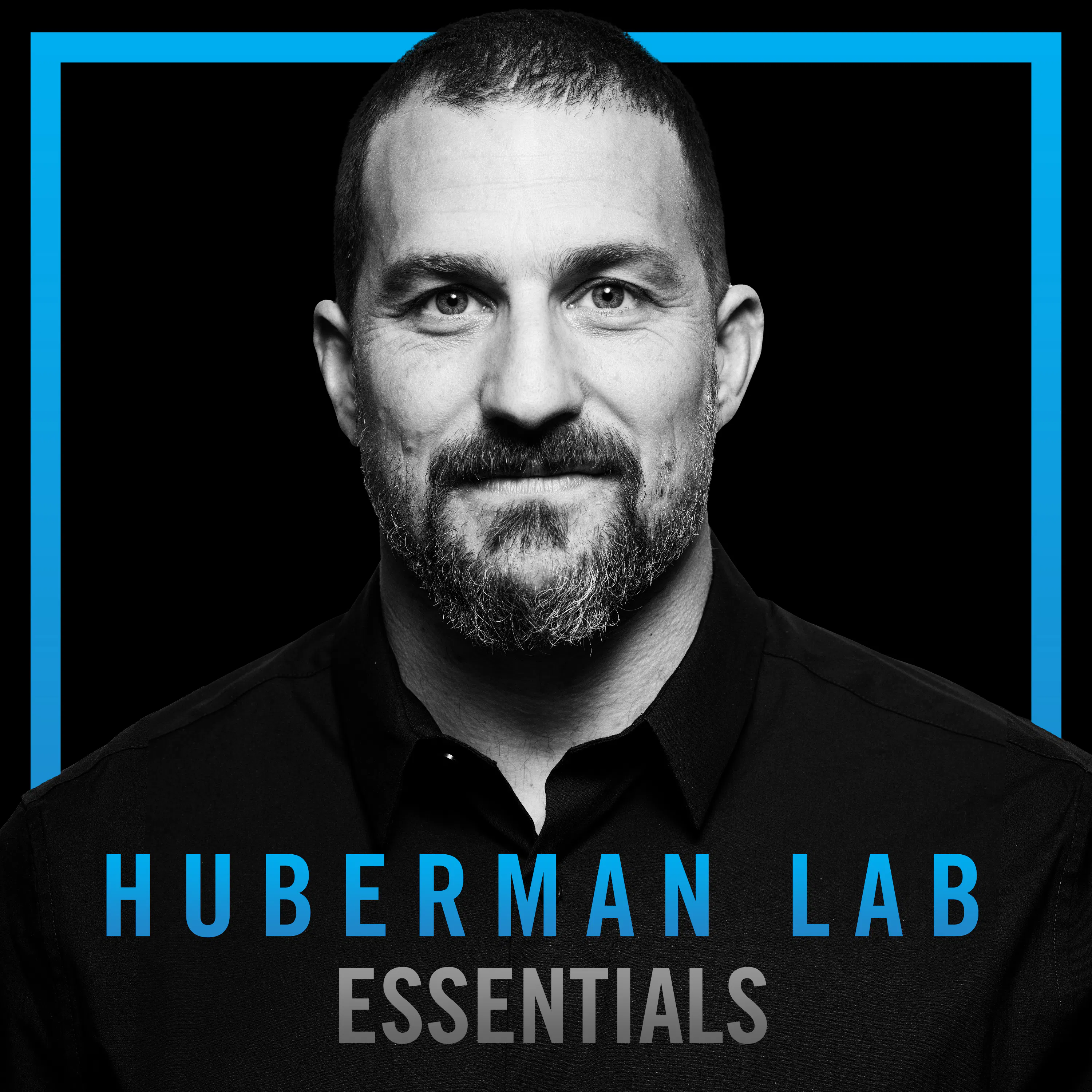
Essentials: Optimal Protocols to Build Strength & Grow Muscles | Dr. Andy Galpin
Dr. Andy Galpin explains the science and practical protocols behind strength training and hypertrophy for health, longevity, and performance.
 Listen on the show ↗
Key takeaways
- 💪Strength training is the only exercise proven to combat neuromuscular aging effectively.2:02
- ⏳Muscle strength declines 2-4% per year after age 40, faster than muscle size loss.2:33
- 🔄You can get stronger without necessarily increasing muscle size, especially after beginner stages.5:11
- 📈Progressive overload of 3-5% increase in load per week is key to continual strength gains.12:57
- ⏱️Faster lifting speeds improve strength; slower tempos increase hypertrophy via time under tension.13:27
- 🔄Small exercise variations every 6-12 weeks help maintain progress and prevent overuse injuries.17:31
Chapters
- 0:30🏋️♂️ Why Strength and Hypertrophy Matter
- 4:08📏 Defining Strength vs. Hypertrophy
- 7:16🛠️ Key Components of Effective Training
- 11:573️⃣5️⃣ The 3-5 Rule for Strength Training
- 13:27⏱️ Repetition Cadence and Load
- 19:02🏋️ Exercise Selection and Variation
- 23:57💥 Hypertrophy Training Principles
- 26:30⚙️ Technique and Individual Differences
- 35:10⏰ Frequency, Volume, and Practicality
The digest
Why Train for Strength and Hypertrophy?
Dr. Andy Galpin opens by emphasizing that strength and hypertrophy training are not just for athletes or bodybuilders but are essential for everyone, including recreational exercisers and those focused on longevity and health. Contrary to common misconceptions, strength training offers unique benefits that cardiovascular training alone cannot provide. It is the most effective way to combat neuromuscular aging, preserving the ability to move independently and maintain quality of life as we age. Muscle strength declines about twice as fast as muscle size after age 40, and muscle power declines even faster, making strength training critical for functional independence.
Keep reading in The Digest
The full 3-minute article, 9 more sections, and every new episode from Huberman Lab and the creators you follow.
- Defining Strength vs. Hypertrophy
- Essential Components of Effective Training Protocols
- The 3-5 Rule for Strength and Power Training
- Repetition Cadence and Load for Strength vs. Hypertrophy
- Exercise Selection and Variation
- Hypertrophy Training Principles
- Importance of Exercise Technique and Individual Differences
- Frequency, Volume, and Managing Real-Life Constraints
- Summary
More from Huberman Lab

What Humans, Animals and Plants Tell Us About Consciousness | Michael Pollan
Michael Pollan explores consciousness through the lens of neuroscience, plant intelligence, psychedelics, and human biology, offering fresh perspectives on self, ego, and our symbiotic relationships with nature.
Best Tools for Gut Health & Weight Loss | Dr. Chris Thompson
Dr. Chris Thompson, a professor of medicine at Harvard Medical School and Chief of Interventional Gastroenterology at Mass General Brigham, discusses how to improve gut health and achieve weight loss using science-based tools.

Essentials: How to Assess & Improve All Aspects of Your Fitness | Dr. Andy Galpin
Dr. Andy Galpin explains how to assess and improve all aspects of your fitness, including strength, endurance, and power, using cost-free methods and specific metrics.

Essentials: Genes & the Inheritance of Memories Across Generations | Dr. Oded Rechavi
Dr. Oded Rechavi, a professor of neurobiology and ophthalmology at Stanford School of Medicine, discusses the fascinating and controversial topic of the inheritance of acquired traits, focusing on how genes and RNA can transmit information across generations, challenging traditional views on heredity.
How Mitochondria Control Your Metabolism | Dr. Jared Rutter
Dr. Jared Rutter, a professor of biochemistry at the University of Utah and an investigator with the Howard Hughes Medical Institute, discusses the biology of mitochondria and metabolism, explaining how these cellular powerhouses do far more than just generate energy.
Essentials: Diet & Nutrition for Mental Health | Dr. Chris Palmer
Dr. Chris Palmer, a Harvard Medical School psychiatrist, discusses the profound and often overlooked connection between nutrition and mental health, sharing his personal journey and groundbreaking clinical experiences with the ketogenic diet.