Shraddha MH ONE · Video summary
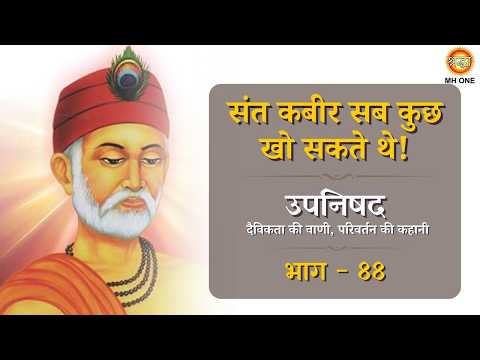
मैत्री संगत | संत कबीर सब कुछ खो सकते थे? | उपनिषद (दैविकता की वाणी, परिवर्तन की कहानी) | Ep-88
In this discourse, Shri Shri Mitra Jeev, a disciple of Maitreya Dadashreeji, delves into the true purpose of knowledge and humility, drawing wisdom from the ancient tale of Sant Kabir and a learned Pandit.
 Watch on YouTube ↗
The digest
In a world increasingly driven by the pursuit of knowledge, it becomes crucial to pause and reflect on the true purpose and application of what we learn. Is knowledge merely a tool for intellectual prowess and societal recognition, or does it serve a higher, more transformative function? This profound question lies at the heart of a timeless tale, beautifully narrated by Shri Shri Mitra Jeev, a revered disciple of Maitreya Dadashreeji.
The Paradox of Knowledge
Shri Shri Mitra Jeev begins by highlighting a fundamental paradox: we dedicate considerable effort to acquiring knowledge, through reading and study, but often fail to understand its ultimate purpose. What is the objective of the knowledge we gain? This inquiry leads to a historical anecdote from ancient India, a period when scholarly debates, known as 'shastrarth,' were common. These debates, while having the potential for mutual learning and understanding, often devolved into contests of superiority. The true dilemma, Mitra Jeev points out, was whether to disseminate knowledge for the benefit of humanity or to use it as a means to assert one's intellectual dominance.
Keep reading in The Digest
The full 4-minute article, 6 more sections, and every new episode from Shraddha MH ONE and the creators you follow.
- The Challenge to Kashi's Scholars
- Sant Kabir's Humble Acceptance
- The Question That Silenced a Scholar
- The True Nature of Knowledge
- Self-Reflection and Spiritual Guidance
- The Path to Spiritual Progress
More from Shraddha MH ONE

Live : Maa Vaishno Devi Aarti From Bhawan | माता वैष्णो देवी आरती | 16 October 2026
This video captures a live Aarti from the Maa Vaishno Devi Bhawan, featuring devotional chants, prayers, and a heartfelt bhajan performance, celebrating the sixth day of Sharad Navratri dedicated to Maa Katyayani.
Live: Prabhu Darbar With Gurudev Dr. Rajendran Krishnan Ji Maharaj | 16 Oct 2026 | Shraddha MH ONE
Gurudev Dr. Rajendran Krishnan Ji Maharaj's "Prabhu Darbar" offers live consultations and practical remedies for life's challenges, from financial woes and health issues to family discord and career stagnation, all rooted in Vedic astrology and Vastu Shastra principles.

Live: Prabhu Darbar With Gurudev Dr. Rajendran Krishnan Ji Maharaj | 15 Oct 2026 | Shraddha MH ONE
Gurudev Dr. Rajendran Krishnan Ji Maharaj offers divine blessings and practical remedies to viewers, addressing issues from business failures and black magic to marital discord and children's problems. He provides specific mantras and rituals to overcome obstacles and achieve prosperity.
Live : Maa Vaishno Devi Aarti From Bhawan | माता वैष्णो देवी आरती | 15 October 2026
This devotional video captures a live Aarti from the Maa Vaishno Devi Bhawan, featuring prayers, hymns, and a special address for the Sharadiya Navratras, focusing on the fifth day dedicated to Skandamata.

Live : Maa Vaishno Devi Aarti From Bhawan | माता वैष्णो देवी आरती | 14 October 2026
This video captures a live Aarti from the Maa Vaishno Devi Bhawan, featuring devotional chants, prayers, and bhajans dedicated to the goddess, celebrating the fourth day of Sharad Navratri.
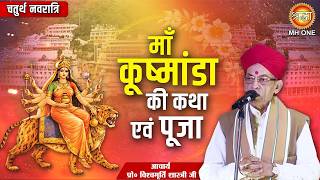
चतुर्थ नवरात्रि | माँ कूष्मांडा की कथा एवं पूजा | Mata Vaishno Devi | आचार्य विश्वमूर्ति शास्त्री जी
Acharya Vishwamurti Shastriji explains the significance of Maa Kushmanda, the fourth form of the Hindu goddess Durga, and the importance of the nine-day Navaratri festival.