Fresh Air · Podcast summary
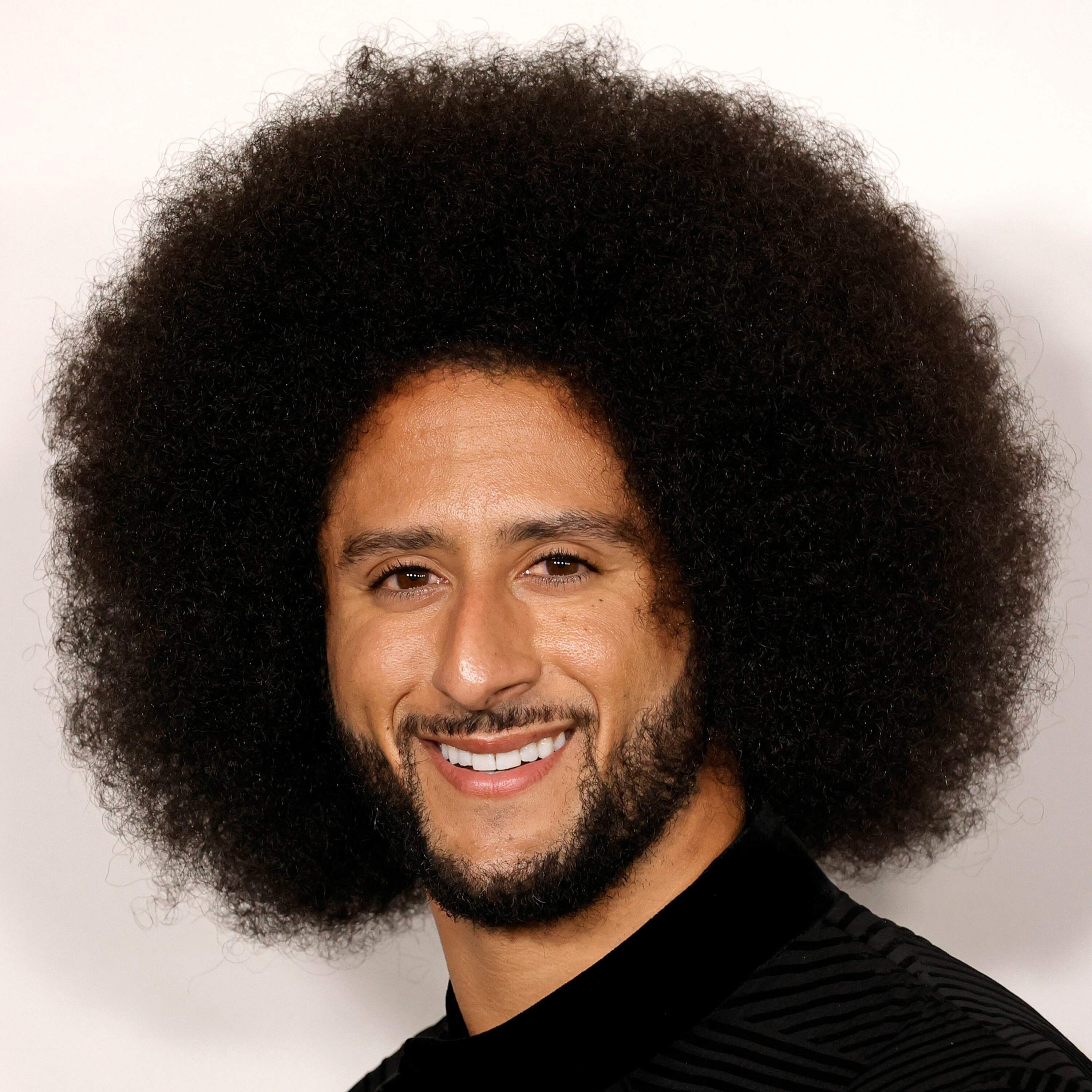
Colin Kaepernick is still fighting – for justice and for his football career
Colin Kaepernick discusses his new memoir, "The Perilous Fight," detailing his journey from childhood to his activism and continued pursuit of an NFL career.
 Listen on the show ↗
Key takeaways
- 🌳Colin Kaepernick's memoir begins with a childhood incident where he was tied to a tree and subjected to racial slurs by white middle schoolers, an experience he kept from his parents.01:41
- 👨👩👧👦Kaepernick's parents, while loving, had a limited understanding of his Black identity, leading him to seek guidance from other Black individuals in his community.05:38
- 🏆Sports became an escape for Kaepernick, offering objective clarity where performance was undeniable, unlike the subjective racial biases he faced elsewhere.08:48
- ✊The decision to take a knee was a culmination of years of self-education on Black history and systemic oppression, set against a backdrop of increasing police brutality.10:07
- 🤝Kaepernick clarified that the idea to kneel came from his teammate Eric Reid, not from Nate Boyer, a former Green Beret.13:45
- 📰Kaepernick criticized the media for shifting the narrative from police brutality to questions of disrespecting the flag or military, or debating the "right form of protest."17:40
Chapters
- 0:14Introduction: Colin Kaepernick's Memoir
- 1:51Childhood and Early Racial Experiences
- 13:33Sports as an Escape and a Platform
- 15:25The Genesis of the Protest: Taking a Knee
- 28:29Media Misrepresentation and the NFL's Stance
- 48:53The Power of the Players and the Future
- 55:09The NFL Combine and Player Exploitation
- 1:08:19Injuries, Business, and Continued Fight
The digest
Former NFL quarterback Colin Kaepernick joined Tanya Mosley on Fresh Air to discuss his new memoir, "The Perilous Fight." The conversation delved into the experiences that shaped him from a young age, his pivotal decision to protest police brutality, and his ongoing battle to return to the NFL.
Early Life and Racial Awakening
Kaepernick's memoir begins not with his protest, but with his childhood as a Black child adopted by white parents and growing up in a predominantly white town. He recounted a particularly jarring incident at eight years old, where he was tied to a tree and subjected to racial slurs by a group of white middle schoolers. This traumatic experience, which he kept from his parents, was a stark early lesson in racial dynamics.
Kaepernick explained that his parents, while loving, had a limited understanding of his Black identity. He noted, "there was only so much Blackness that they could stand." This manifested in their discomfort with his hairstyles, music choices, and the cultural figures he admired. His parents' approach was to treat all their children the same, but Kaepernick realized that his experience as a young Black boy in the world was drastically different from that of his white siblings. He learned early on that he couldn't always rely on his parents to understand or support him in matters of race, leading him to seek guidance and mentorship from other Black individuals in his community, including teammates' mothers and coaches.
Keep reading in The Digest
The full 5-minute article, 5 more sections, and every new episode from Fresh Air and the creators you follow.
- Sports as an Escape and a Platform
- The Genesis of the Protest: Taking a Knee
- Media Misrepresentation and the NFL's Stance
- The Power of the Players and the Future
- Injuries, Business, and the Fight Ahead
More from Fresh Air

Best Of: Kyle MacLachlan / Inside the ‘romance scam’
Kyle MacLachlan reflects on his career shaped by David Lynch, while Wired's Andy Greenberg exposes a human trafficking romance scam fueled by AI.
Kyle MacLachlan was David Lynch’s ‘submersible’ into dark places
Kyle MacLachlan reflects on his transformative collaboration with David Lynch, his journey through iconic roles, and the personal challenges behind the scenes.
Best Of: Rhiannon Giddens / Investigating Diddy’s Rise & Fall
Rhiannon Giddens explores Black string band traditions and her role in Beyoncé's country album; Cheyenne Roundtree investigates Sean Combs' complex legacy in music and scandal.
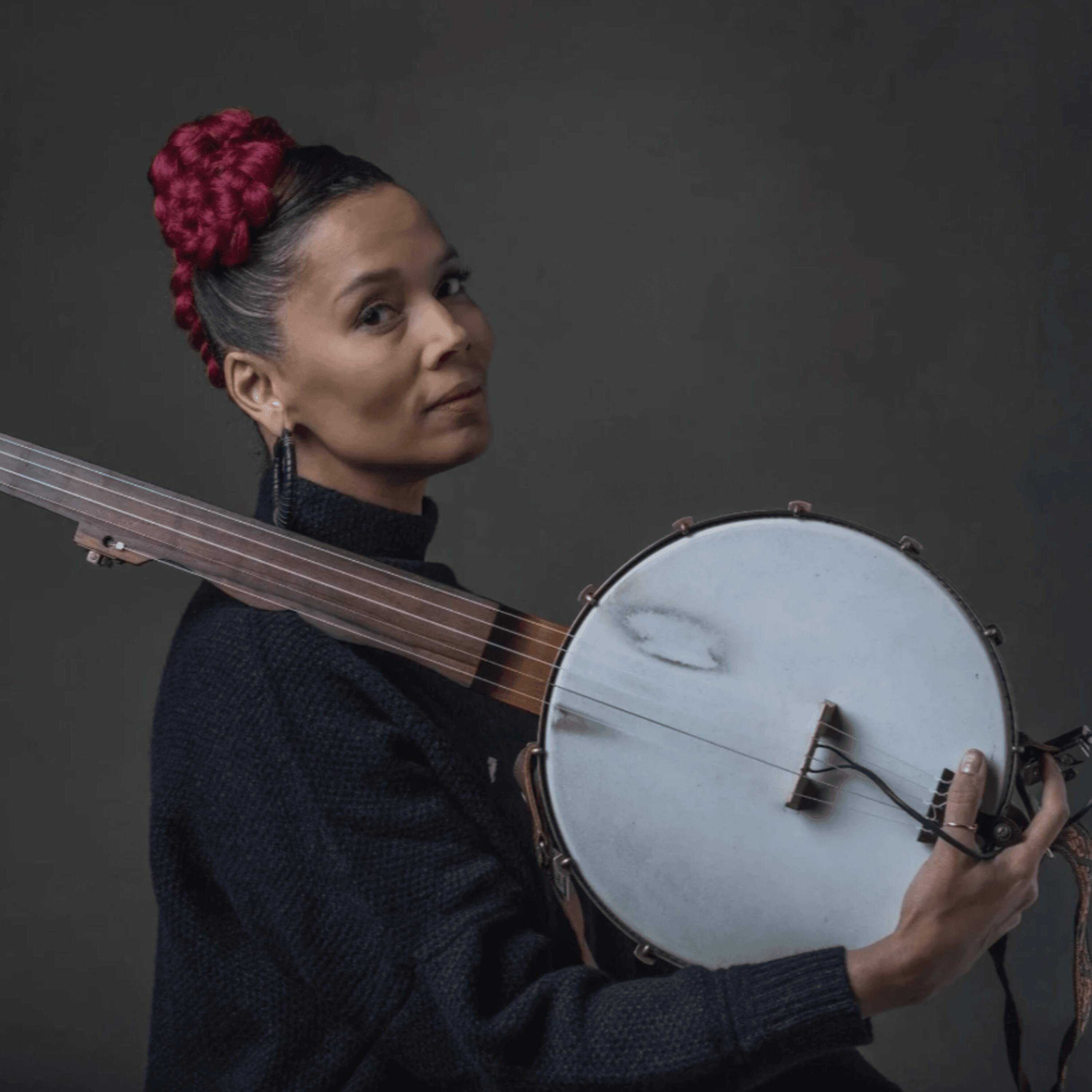
Rhiannon Giddens traces the banjo from her ancestors to Beyoncé
Rhiannon Giddens, the Grammy-winning musician and co-founder of the Carolina Chocolate Drops, discusses her new album "Hope is the Thing with Feathers," her role on Beyoncé's "Cowboy Carter," and the deep historical roots of the banjo, tracing its origins from African traditions to its presence in various American musical forms.
Best Of: Colin Kaepernick / Danielle Brooks
Colin Kaepernick discusses his memoir, "The Perilous Fight," and the reasons behind his kneeling protest. Danielle Brooks shares her experiences playing complex Black female characters and her journey through musical theater.
Looney Tunes animator Chuck Jones / Remembering singer Cassandra Wilson
Film critic Justin Chang reviews "Hope," a South Korean monster movie, and jazz critic Kevin Whitehead remembers singer Cassandra Wilson.