Thomas DeLauer · Video summary
450mg Wipes Out Insulin Resistance (and Fatty Liver)
Boost glutathione to combat fatty liver and insulin resistance by supporting its precursors and reducing oxidative stress.

 Watch on YouTube ↗
Key takeaways
- 💡Glutathione depletion is not just a symptom of fatty liver disease; it may be a primary driver, impacting mitochondrial function and energy production.01:01
- ⚡Reducing oxidative demand by cutting out oxidized seed oils and avoiding late-night eating is crucial for preserving glutathione stores.04:07
- 🚀Prioritize reducing oxidative stress by eliminating oxidized seed oils and minimizing late-night eating to conserve glutathione.04:16
- 💪Zone 2 training and consuming polyphenol-rich foods strengthen mitochondria, reducing their reliance on glutathione and improving stress resistance.05:01
- 🔑Oral glutathione supplements have poor bioavailability unless formulated in a liposomal form, which significantly enhances absorption into cells.05:28
- 🔧Support glutathione production by consuming cysteine-rich foods (whey protein) and considering NAC or liposomal glutathione supplements.05:42
Chapters
- 0:00🎯 Introduction to glutathione and its importance
- 1:53🎯 Study linking glutathione to fatty liver disease
- 2:34🎯 Role of mitochondrial glutathione
- 6:58🎯 Supplementing with glutathione
- 7:50🎯 The danger of ferroptosis and how to prevent it
- 10:06🎯 Practical steps to reduce ferroptosis risk
- 11:31🎯 How to boost glutathione levels naturally
- 15:45🎯 Supporting glutathione synthesis pathways
- 17:58🎯 Factors lowering glutathione levels
- 19:14🎯 Additional lifestyle tips
The digest
High-Level Overview
This analysis explores the vital role of glutathione—a potent antioxidant produced by the liver—in preventing and potentially reversing insulin resistance and non-alcoholic fatty liver disease (NAFLD). It clarifies common misconceptions about glutathione supplementation, explains the underlying mechanisms linking glutathione depletion to metabolic dysfunction, and outlines evidence-based ways to boost glutathione naturally and therapeutically. Targeted at health professionals, researchers, and practitioners, it presents a comprehensive framework for understanding and leveraging glutathione’s metabolic impact beyond liver health, including its role in cell death regulation and immune function.
Keep reading in The Digest
The full 6-minute article, 14 more sections, and every new episode from Thomas DeLauer and the creators you follow.
- The Central Role of Glutathione in Liver and Metabolic Health
- The Critical Importance of Mitochondrial Glutathione
- Glutathione Therapy Benefits
- Strategies to Support and Enhance Glutathione Levels
- 1. Reduce Oxidative Demand
- 2. Protect Mitochondrial Glutathione with Exercise and Polyphenols
- 3. Use Effective Glutathione Supplementation and Precursors
- Ferroptosis: A Novel Mechanism Linking Glutathione and Metabolic Disease
- Dietary and Lifestyle Levers to Prevent Ferroptosis
- Additional Key Factors for Optimizing Glutathione
- Four Critical Biochemical Levers Affecting Glutathione Levels and Function (15:32–17:55)
- Common Glutathione Drains and Their Impact
- Practical Applications and Recommendations
- Action-Oriented Summary
More from Thomas DeLauer

Why Georges St-Pierre Quit Doing Cardio & Stopped Eating Breakfast
Georges St-Pierre shares evolved perspectives on training efficiency, ice baths for recovery vs. muscle growth, and nutritional timing, emphasizing skill over excessive cardio for athletes.

This Compound Stops Greying Hair (and reduces wrinkles)
Aging hair and skin are primarily metabolic issues driven by declining NAD+ levels, impacting mitochondria and stem cells. Lifestyle interventions and NMN supplementation can reverse these effects.

The New Nicotine Discovery that is Changing Neuroscience - Dr. Scott Sherr
Nicotine, often vilified, acts as a cognitive enhancer and anti-inflammatory, primarily by binding to nicotinic acetylcholine receptors, but low doses and clean sources are crucial to avoid negative side effects.
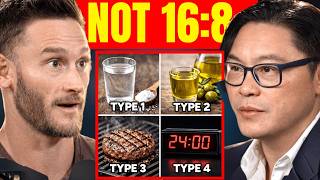
Dr. Jason Fung: The Best Fasting Method for Visceral Fat and Insulin Resistance has Been Discovered
Dr. Jason Fung discusses fasting protocols from 16/8 to extended fasts, emphasizing the hormonal regulation of hunger and the impact of ultra-processed foods over simple calorie counting.

The New Era of Keto in 2026 (NEW science, NEW rules)
The new keto rules for 2026 emphasize protein priority, quality fats (omega-3s), adequate minerals, and strategic flexibility over strict adherence, focusing on long-term adaptation and lifestyle integration.