Jumpers Jump · Video summary
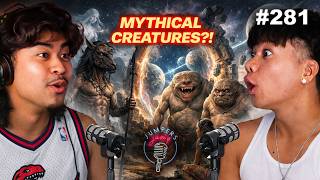
100 YEAR RESET THEORY, EPSTEIN’S BABY FARM & DOOMSDAY DICE CLOCK THEORY - EP.278
A 100-year cycle theory suggests history repeats, leading to potential future crises similar to the 1930s, influenced by elites and AI advancements.
 Watch on YouTube ↗
Key takeaways
- 🔄The 100-year cycle theory posits that societal patterns, including cultural booms (e.g., Roaring Twenties/2010s), pandemics (Spanish Flu/COVID-19), political polarization, and global conflicts (WWII/current wars), repeat approximately every century, suggesting current events are a historical echo.01:46
- 🔍Analyze current events through the lens of the 100-year cycle theory to identify potential historical parallels and anticipate future societal trends.01:46
- 💡The concept of 'evil nostalgia' suggests powerful elites, potentially long-lived ('vampires'), may intentionally recreate past societal crises and events to relive or maintain control, viewing chaos as a form of entertainment or a necessary 'reset'.06:37
- 📈Historical parallels indicate that periods of global conflict are often preceded and followed by significant technological advancements and innovations, a pattern observed from pre-WWII to the current era.07:45
- 🌐The proliferation of information via the internet and social media provides a potential counterbalance to historical manipulation, offering a chance for collective awareness and the possibility to alter predetermined negative outcomes, unlike in previous centuries.11:41
- 🔮The 'Doomsday Dice Clock' prophecy, where rolling all 'ones' on a thousand dice signifies a impending disaster within four months, is presented as a potential indicator of future catastrophic events, with a recent 'roll' aligning with a four-month timeframe.14:41
Chapters
- 1:56🔄 The 100-Year Cycle Theory
- 2:15📈 Cultural Booms and Pandemics
- 3:24💥 Wars and Political Polarization
- 5:46🧛 The 'Vampire' Elite and Nostalgia
- 7:43🔬 Technological Advancements and War
- 8:19🏡 Post-War Reconstruction and Prosperity
- 9:47🔥 Controlled Chaos and 'Weeding'
- 11:02👑 Generational Power and Longevity
- 11:41🌐 Information Access and Changing Times
- 13:37👽 Alien Invasions as a Unifying Force
- 14:41🎲 The Doomsday Dice Clock
- 16:024️⃣ The Significance of the Number Four
- 19:53🎤 XXXTentacion's Predicted Death
- 25:34🎬 Movies as Predictive Programming
- 26:54🤖 AI and Consciousness Transfer
- 30:56🔬 Consciousness in Simulations and Clones
- 34:57🎮 The Purpose of AI
- 41:51🍔 The McRib Conspiracy
- 47:00🧲 Symbolism of Balls and Goats
- 48:58🏟️ Jeffrey Epstein at a Knicks Game
- 50:20📺 'Jeff Tube' and Elite Websites
- 51:20👶 Epstein's 'Baby Farm' Theory
- 53:47🎨 Theories on Art and Memes
- 1:01:08🏛️ The Future of Museums and Art Value
- 1:05:08🎭 Shakespeare's Earring and Modern Style
- 1:08:40🌃 Movies Predicting Reality
- 1:09:39🧸 Sentient Toys and Their Feelings
The digest
The 100-Year Cycle of History, Elite Nostalgia, and AI's Evolving Role
This discussion explores a cyclical theory of history, suggesting that major global events and cultural trends repeat approximately every century. It posits that current global events, including wars and pandemics, echo patterns from the 1930s and 1940s. The conversation delves into a provocative theory that powerful elites, perhaps living exceptionally long lives, may intentionally recreate past historical periods to relive nostalgic experiences, drawing parallels to the concept of "evil nostalgia." Furthermore, it examines the increasing integration of Artificial Intelligence into society, questioning its ultimate purpose, potential for consciousness transfer, and impact on human existence. The discussion also touches upon the "Doomsday Dice Clock" and its alarming prediction, as well as a variety of other conspiracy-adjacent theories and cultural observations.
Keep reading in The Digest
The full 8-minute article, 8 more sections, and every new episode from Jumpers Jump and the creators you follow.
- The 100-Year Historical Reset Theory
- The "Vampire" Elite and Historical Recreations
- The "Controlled Burn" Analogy for Societal Change
- The "Doomsday Dice Clock" and Prophecy
- The Role of Information and Potential for Change
- The Rise of AI and Consciousness Transfer
- Conspiracy Theories and Darker Themes
- The Evolving Nature of Art and Value